
Prevent heatstroke by reducing exertion in warm conditions, providing shade and water, and avoiding parked cars. If overheating is suspected, begin cooling immediately and arrange emergency veterinary care.
Spot heat risk before your dog collapses
On a phone, swipe the table sideways to read every column.
| Situation | Action |
|---|---|
| Hot or humid weather, sun on pavement, poor ventilation | Move walks to cooler hours, choose shade and carry water; shorten activity. |
| Heavy panting, seeking shade, slowing down or unusually bright red gums | Stop exercise, move to a cool place, offer small amounts of water and seek veterinary advice promptly. |
| Weakness, confusion, collapse, vomiting, seizures or struggling to breathe | Emergency: contact a veterinarian and start gentle cooling while arranging immediate transport. |
Begin cooling with cool water on the body and airflow from a fan or moving air. Use water the dog can tolerate, and follow the emergency clinic’s instructions. Do not trap heat under wet towels. A dog can deteriorate after appearing better, so suspected heat stroke needs veterinary assessment.
Flat-faced, older, overweight or ill dogs may struggle sooner; there is no single outdoor temperature that is safe for every dog. A parked vehicle can heat rapidly even with a partly open window. Plan for shade, water and an exit from the activity.
Plan around the conditions
Walk during cooler hours and choose shade, water access and an easy route home. Reduce intensity and stop for breaks. Never leave a dog in a parked car. Carry water and know where the nearest veterinary clinic is when visiting an unfamiliar place.
Recognise a concerning change
Heavy panting, weakness, drooling, vomiting, confusion or collapse after heat exposure need urgent attention. Do not wait for every sign to appear. Tell the veterinary team about the weather, activity and when the change began.
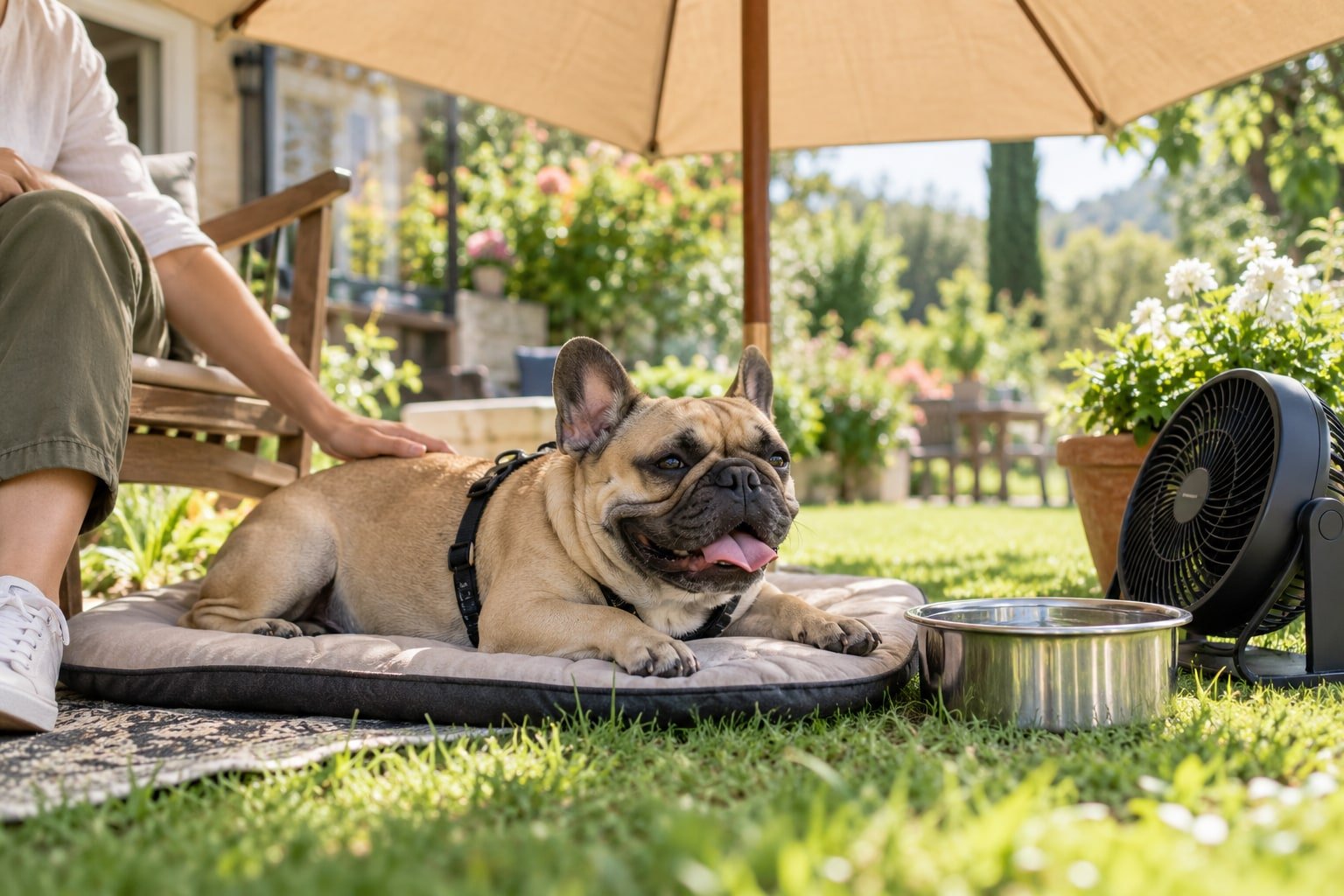
Which outing details should you plan in advance?
Check shade along the whole route, not just at the starting point. Choose a loop with an early exit and carry enough water for an unplanned delay. A walk that is manageable before sunrise may be very different on the return trip. Tell anyone walking the dog that shortening or cancelling the outing is acceptable when conditions change. The schedule should adapt to the dog, not the reverse.
Start cooling and arrange urgent care
Move into shade or a cooler area, pour water cooler than the dog over the body and increase airflow. Contact the vet immediately and continue cooling during transport where practical. Do not wrap the dog in wet towels that trap heat, and do not force drinking. Cooling should begin before the journey.
Review the outing afterwards
A dog who appears improved still needs veterinary assessment after suspected heatstroke. For future outings, set a shorter route and a clear turnaround point. Share the plan with everyone walking the dog so enthusiasm or a fixed exercise target does not override changing conditions.
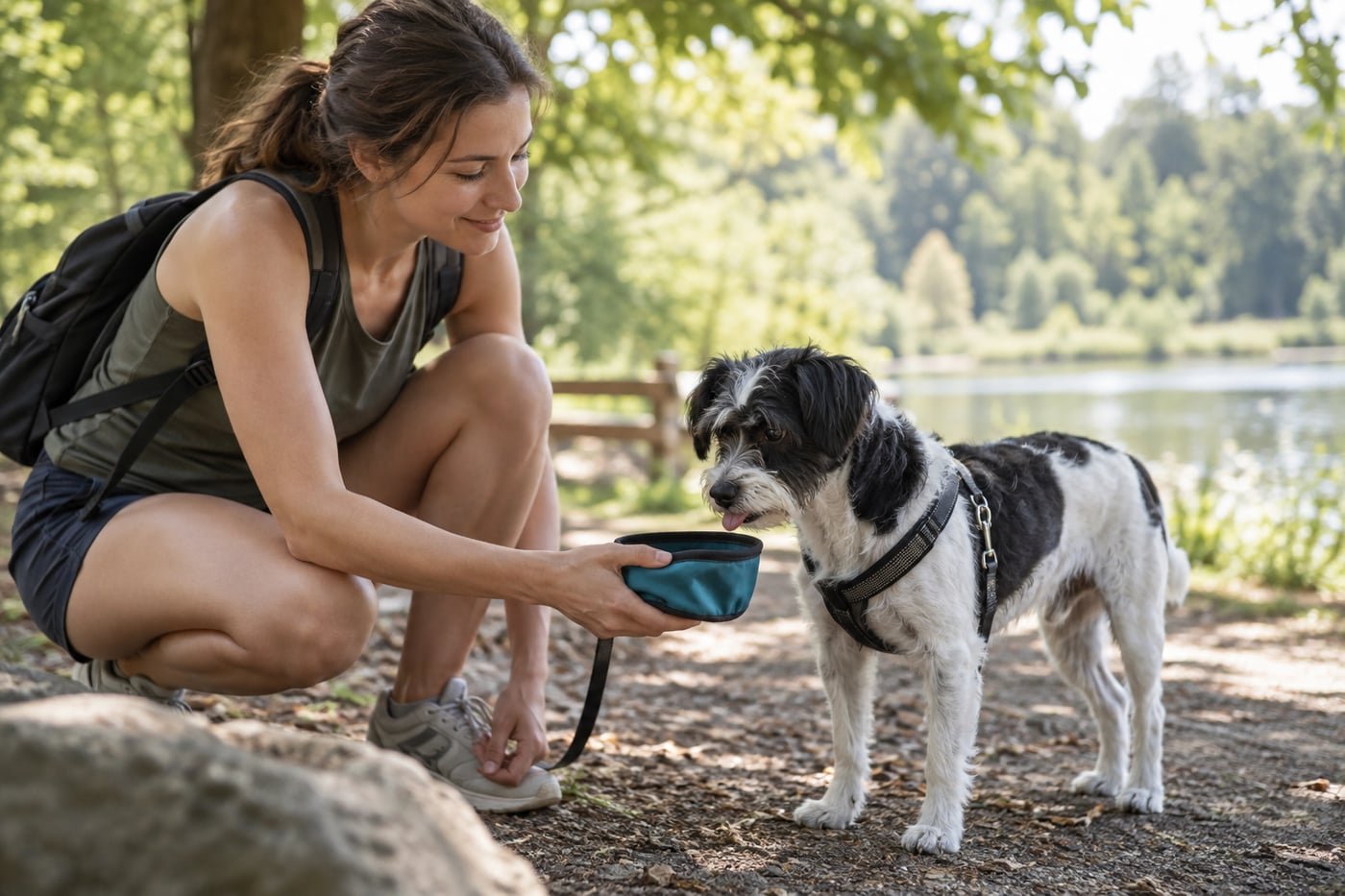
Why is a temperature reading not the whole decision?
Humidity, exertion, ventilation and an individual dog’s health all affect how well they cope. Flat-faced dogs and dogs with breathing or other medical problems need particular care. A dog who continues chasing a ball may still be overexerting. Watch behaviour and breathing throughout the outing instead of treating a weather-app number as permission to continue.
Your practical checklist
- Move an overheated dog out of the heat and stop exercise immediately.
- Start cooling with water cooler than the dog and create airflow.
- Contact the emergency clinic while cooling, using a helper if available.
- Arrange prompt transport and continue practical cooling en route.
- Seek assessment even if the dog appears to improve.
Common questions and answers
Should I wait until my dog collapses before going to the vet?
No. Weakness, abnormal panting, confusion or other concerning changes after heat exposure warrant urgent action. Collapse is a severe sign. Start cooling and seek emergency advice early rather than waiting for a complete list of symptoms.
Should I wrap my dog in wet towels?
Do not wrap the body in towels that can trap heat as they warm. Use water and airflow for cooling while arranging urgent care. Follow the emergency team’s guidance for the dog’s condition and transport situation.
Is opening a car window enough?
No. Do not leave a dog in a parked vehicle as a heat-prevention strategy. Plan errands so the dog can stay in a suitable environment, and arrange a backup if the journey involves an unexpected stop.
Can a dog seem better and still need treatment?
Yes. Apparent improvement after cooling does not rule out harm from heatstroke. A veterinarian needs to assess the dog and advise on monitoring and treatment. Do not resume exercise or end the plan for care because panting has eased.
Check our previous articles
Continue with these related guides from My Dog Recipes:
Sources and further reading
Updated September 29, 2026. General educational guidance; individual health and feeding decisions depend on your dog’s needs.







Leave a Reply