
Kennel cough describes infectious respiratory illness with several possible causes. A new cough needs veterinary advice; keep the dog away from group activities and seek urgent care for breathing difficulty or marked deterioration.
What a cough does and does not tell you
“Kennel cough” describes a group of contagious respiratory illnesses, not one organism you can diagnose by sound alone. A honking cough after boarding may fit the pattern, but a similar cough can have other causes. Call your veterinarian for a diagnosis and tell the clinic about recent dog contacts before entering the waiting room.
On a phone, swipe the table sideways to read every column.
| Situation | Action |
|---|---|
| Bright, eating and drinking, with a new cough | Keep away from other dogs and call your veterinarian for guidance and monitoring. |
| Fever, reduced appetite, low energy or cough that is worsening | Arrange a prompt veterinary assessment. |
| Labored breathing, blue or pale gums, collapse | Seek emergency care. |
Do not take a coughing dog to daycare, shared water bowls or dog parks. Wash hands after handling respiratory secretions. Ask the clinic when it is safe to resume dog contact; the answer varies with the cause and symptoms. Vaccination may reduce risk or severity for some pathogens but cannot prevent every respiratory infection.
Contact the clinic before visiting
Describe the cough, recent dog contact, appetite and energy level. A short video can help the veterinary team understand what you mean. Call before entering a waiting room so they can arrange a visit that reduces exposure to other patients.
Reduce contact with other dogs
Pause daycare, group walks and boarding while seeking advice. Avoid sharing bowls and follow the veterinarian’s guidance on when social contact can resume. Vaccination can reduce risk but does not prevent every possible cause of infectious respiratory disease.
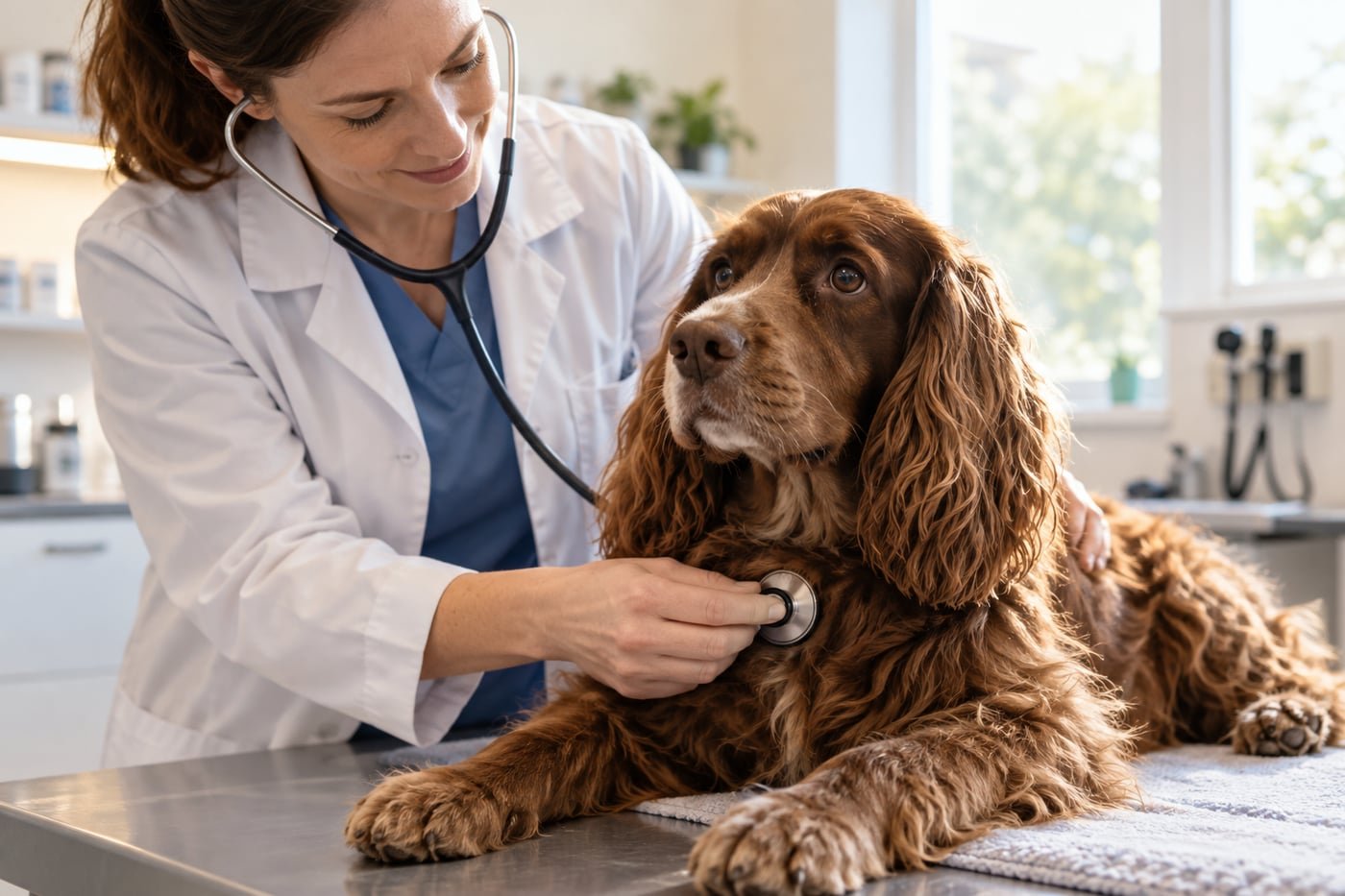
How can you describe the cough accurately?
Note whether it happens at rest, after activity or during excitement, and whether there is retching or discharge. A short video of a naturally occurring episode can be useful; do not exercise or press on the throat to provoke one. Track eating, drinking and energy alongside coughing. A dog who accepts a treat can still be unwell, so report the complete pattern.
Follow an individual care plan
Give your dog a comfortable resting area and follow prescribed treatment. Do not use human cough medicines or leftover antibiotics. Note changes in eating, drinking, coughing and breathing so you can give the clinic an accurate update rather than relying on a general impression.
Watch for worsening illness
Laboured breathing, marked lethargy or a dog who is struggling to eat or drink needs prompt veterinary attention. Puppies, older dogs and dogs with other conditions may need closer monitoring. Seek urgent care for breathing distress rather than waiting for a routine appointment.

How do you organise care in a multi-dog household?
Tell the clinic about every dog in the home and ask how to reduce contact. Use separate equipment where advised, clean shared surfaces appropriately and pause visiting dogs or group outings. Assign one person to keep a record of symptoms and prescribed treatment. Agree on the clinic’s return-to-activity guidance rather than choosing a date solely because the cough sounds quieter.
Your practical checklist
- Call the clinic and describe the cough plus recent contact with other dogs.
- Mention breathing changes, appetite, energy and existing conditions.
- Ask how to attend the appointment without exposing waiting-room patients.
- Follow the prescribed plan and avoid unapproved human cough medicines.
- Confirm when normal social activities can resume.
Common questions and answers
Can my vaccinated dog still get kennel cough?
Yes. Several organisms can cause infectious respiratory illness, and vaccination does not prevent every case. Tell the vet which vaccines were given and when, but do not use vaccination status to dismiss a new cough.
Does kennel cough always need antibiotics?
No. Treatment depends on the suspected cause, severity and risk of complications. Your veterinarian decides whether medication is appropriate. Do not use leftover antibiotics or another dog’s prescription, even when the cough sounds similar.
How long should my dog stay away from daycare?
Ask the treating veterinarian and the daycare provider. Recovery and infectious periods vary with the cause and circumstances. A fixed rule from another dog’s experience may be wrong for yours. Get clear instructions before returning to group contact.
When is coughing an emergency?
Laboured breathing, collapse or severe distress requires emergency care. Marked lethargy, worsening illness or difficulty eating and drinking also needs prompt assessment. Do not assume a cough is mild simply because it began after a kennel stay.
Check our previous articles
Continue with these related guides from My Dog Recipes:
Sources and further reading
Updated September 29, 2026. General educational guidance; individual health and feeding decisions depend on your dog’s needs.








Leave a Reply