
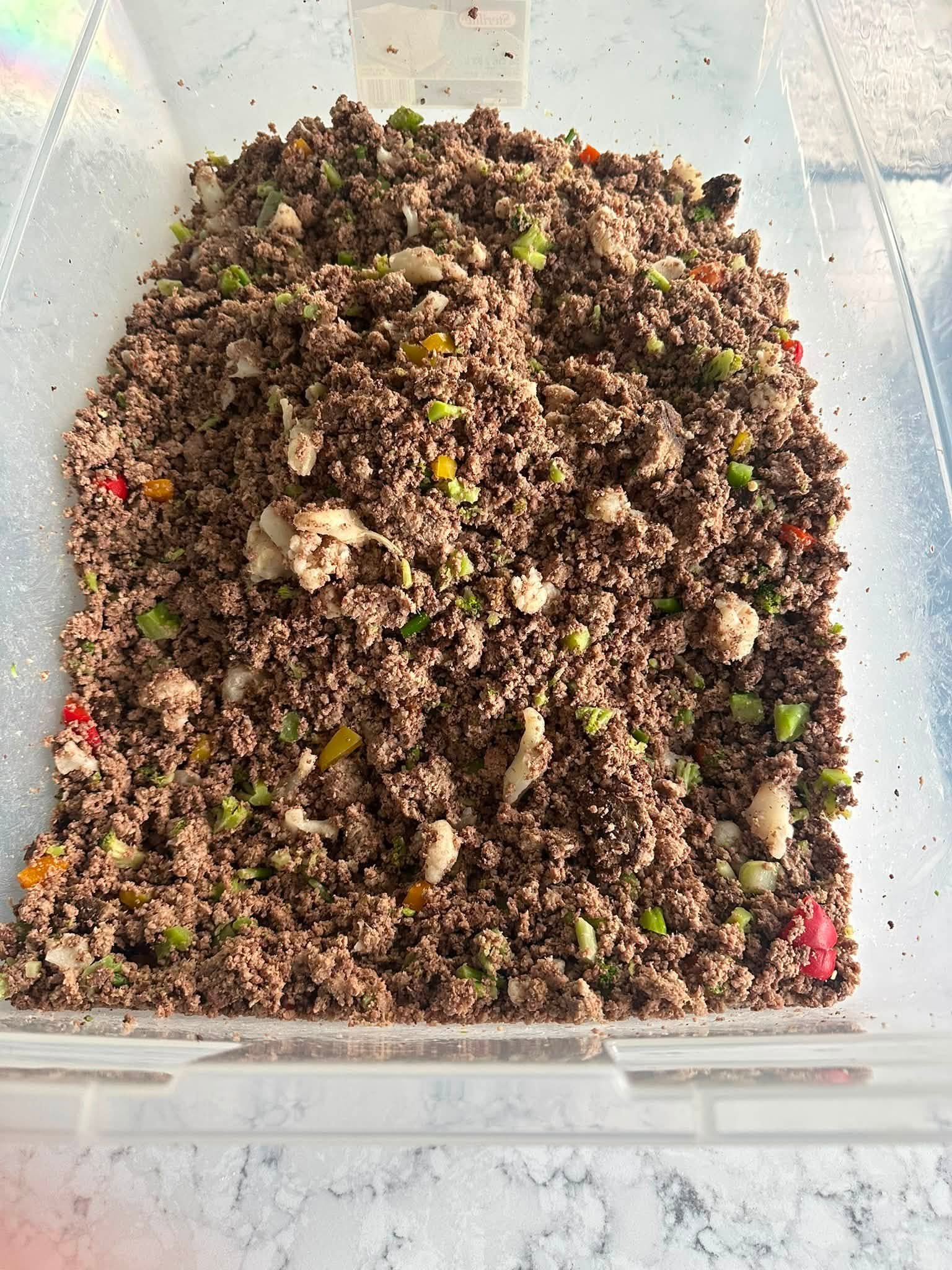
Preparing homemade beef dog food in a large batch takes planning beyond the cooking itself. Ground beef, beef heart, liver and vegetables can be prepared in manageable batches, then weighed and packed for freezing once the recipe and portions have been established.
This ingredient list includes 40 lb of ground beef, but most other quantities are missing. It is a batch-preparation guide, not a complete, balanced feeding formula. The reported 28-day supply cannot establish how much another dog should eat.
Ingredients in the batch
- 40 lb ground beef, approximately 18.1 kg — confirm whether this is the raw or cooked weight and record the fat percentage
- 1 large beef heart — weigh the trimmed edible portion
- Liver — confirm the animal source and weight
- Broccoli
- Cauliflower
- Red, yellow, orange and green bell peppers
- Bone meal — exact product and formulated dose required
- Hemp hearts
- Finely ground, shelled sunflower seeds
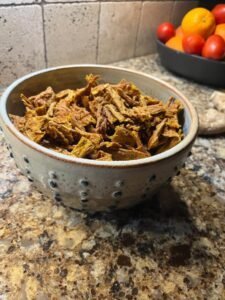
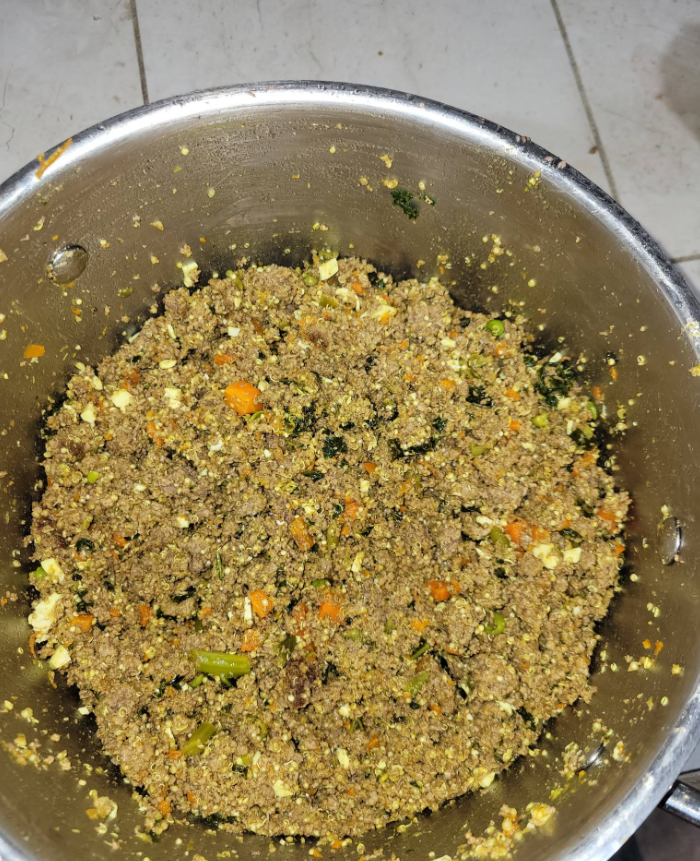
Record every vegetable and seed weight before cooking, along with any water added and whether cooking fat is retained. “One large heart” is not a repeatable measurement. Products visible in the background of a photograph should not be added to the ingredient list without confirmation.
Before preparing 40 pounds of beef
Finalize the ingredient amounts and feeding plan before committing to a batch this large. Check that there is enough refrigerator space for rapid cooling and enough freezer capacity for the portions. If the equipment cannot handle the full quantity safely, prepare smaller batches on separate days.
Set out a kitchen scale, food thermometer, clean utensils and shallow food-safe containers. Keep raw meat chilled and take out only what can be cooked promptly. Use separate utensils and work surfaces for raw and cooked food.
How to organize cooking
1. Prepare the vegetables
Wash the broccoli, cauliflower and bell peppers. Remove pepper stems and cores, then chop everything into small, even pieces. Steam or simmer until tender enough to mash with a fork. Keep the vegetables plain, without onion, garlic, sauces or seasoning.
2. Cook the beef in manageable batches
Break ground beef into small crumbles in a pan with enough room to stir. Cook to 160°F (71°C), checking several locations with a thermometer. Brown color alone does not confirm doneness. Follow the finalized recipe on draining fat; changing how much fat is retained changes the calorie content.
Trim and chop the heart into manageable pieces and cook it thoroughly; beef heart and beef liver should reach 160°F (71°C). If the liver is from poultry, cook it to 165°F (74°C). Prepare these separately when that makes temperature checks and even cooking easier.
3. Mix and track each smaller batch
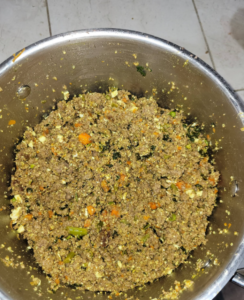
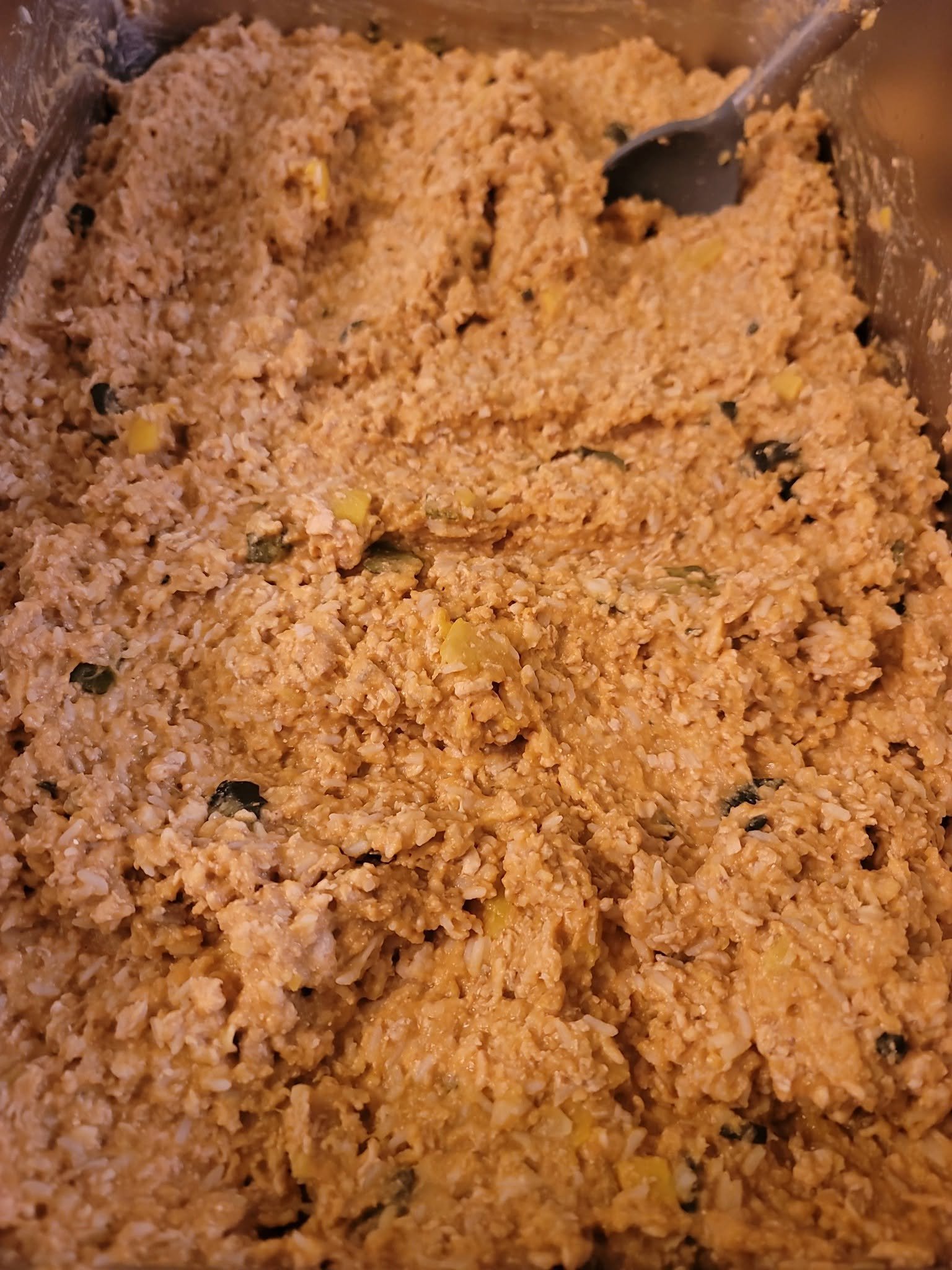
Use a clean food-safe bowl to combine the cooked ingredients in their specified proportions. Mix from the bottom so vegetables and chopped meat are distributed evenly. When dividing a finalized recipe into smaller batches, scale every ingredient by the same factor rather than dividing just the ground beef.
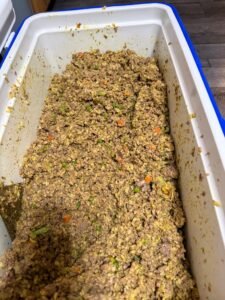
These are proposed preparation steps; no cooking method or tested schedule was supplied with the photographs. A large tub is useful for mixing but should not be used to cool the entire hot batch.
Bone meal and nutritional balance
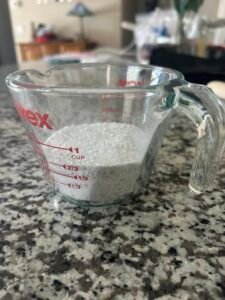
Do not guess a bone-meal dose from the amount of meat or from a scoop shown in a photograph. The exact product, its nutrient content and the rest of the recipe must be included in the formulation. Use only a product intended for dietary use, never garden fertilizer, and follow the specific feeding formula for dose and timing.
Follow that formula for the hemp hearts, sunflower seeds and any additional supplements as well. Bone meal and a variety of ingredients do not by themselves establish nutritional completeness. A veterinary nutrition specialist can determine the required amounts for the dog’s life stage and health before this mixture becomes the main diet.
Cool promptly and freeze the later portions
Divide cooked food into shallow containers promptly and refrigerate within two hours of cooking, or one hour if the surrounding temperature exceeds 90°F (32°C). Do not leave finished batches on the counter while the remaining meat cooks. Leave space around containers for cold air to circulate and avoid overloading the refrigerator with a large volume of hot food.
Keep refrigerated food at 40°F (4°C) or below and use within three to four days. Freeze the later portions promptly. A four-week supply requires frozen storage for most of the food, not four weeks in the refrigerator. Label each container with its cooking date and portion weight, and thaw only what is needed in the refrigerator.
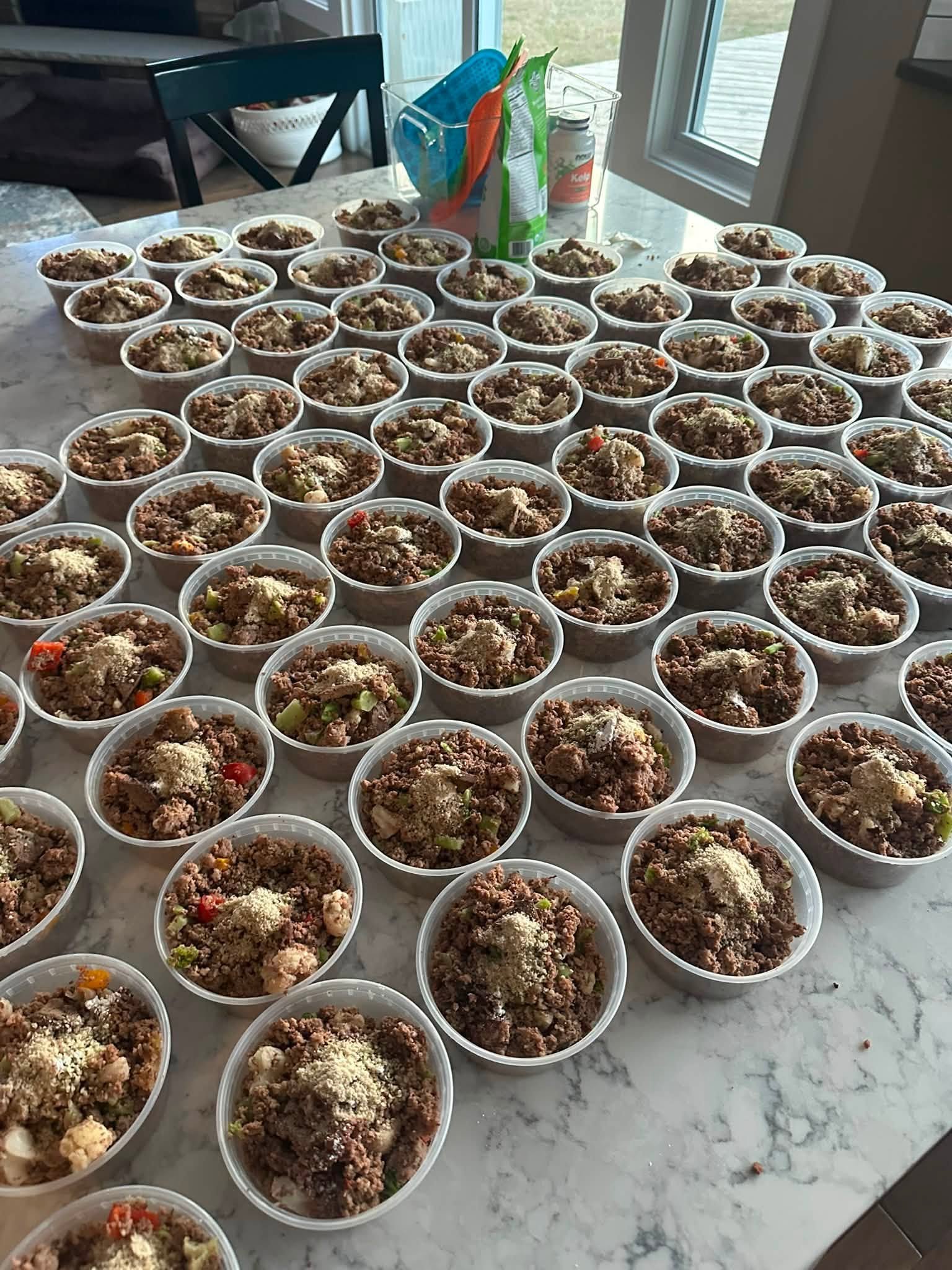
How many meals does the batch make?
Forty pounds describes the supplied ground beef amount, not the finished batch yield. Added ingredients, retained fat and cooking losses all affect the final weight and energy content. Container count is not a reliable measure of daily nutrition.
Once a complete formula and daily allowance are established, weigh the finished batch and pack the prescribed portions. Divide the total usable food by the planned daily amount to find how many days it actually covers. The ingredient list alone cannot support calorie figures, a daily serving weight or a guaranteed 28-day yield.


Leave a Reply