
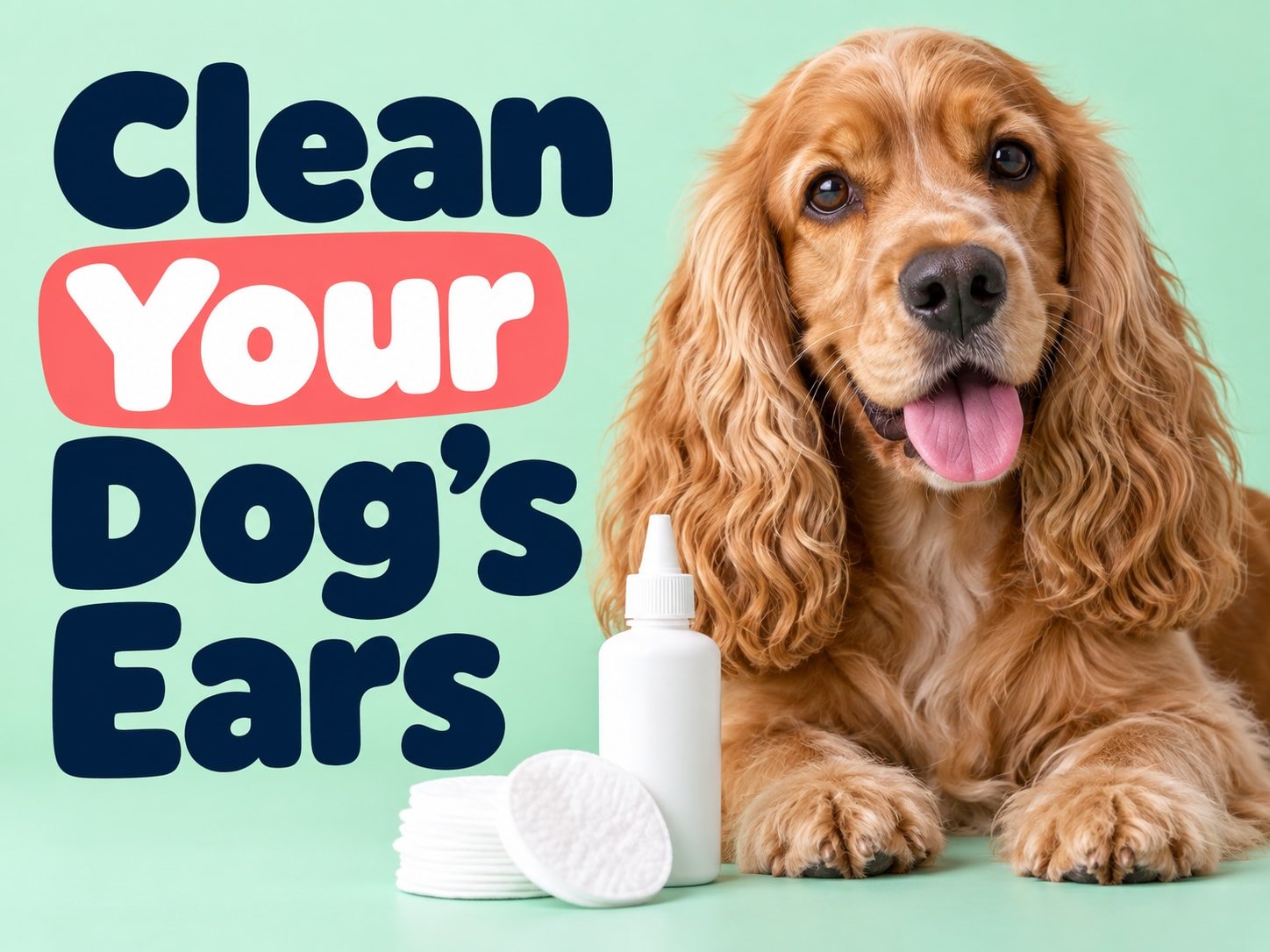
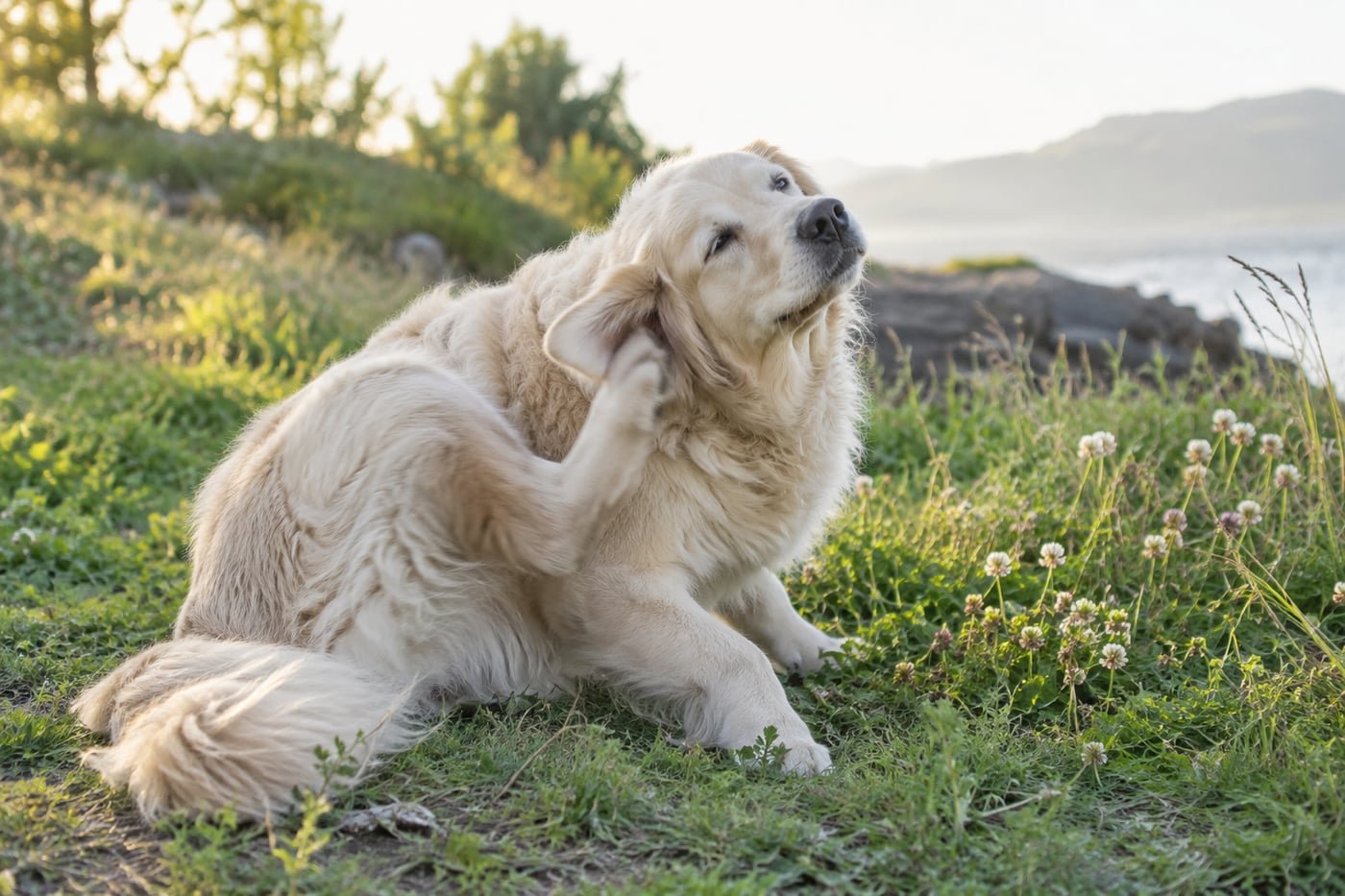
Clean your dog’s ears only when routine cleaning is appropriate, using a veterinarian-recommended product and gentle handling. Pain, redness, discharge or a strong smell should be assessed before you attempt home cleaning.
When should you clean an ear?
On a phone, swipe the table sideways to read every column.
| What you see | Best next step |
|---|---|
| Normal color and no odor, scratching or discomfort | Do not clean solely because a calendar says so; ask your veterinarian how often this dog needs it. |
| Visible dirt with no pain and a cleaning plan from your vet | Use the recommended dog ear cleaner and gauze or cotton to wipe the visible part. |
| Redness, strong odor, discharge, head shaking or pain | Book an examination before applying cleaner. An infection or damaged ear drum changes safe care. |
Introduce the bottle and touch gradually. Reward calm handling, lift the ear flap without forcing it, follow the product instructions, let the dog shake, then wipe only what you can see. Never push a cotton swab down the canal. Stop if the dog resists in pain. A home cleaning routine does not treat an ear infection.
What to record for your vet
Note whether one or both ears are affected, when scratching began, whether swimming or bathing preceded it, the color of any discharge and what products you already used. This history is more useful than repeatedly cleaning away discharge before the appointment.
Check the ear before starting
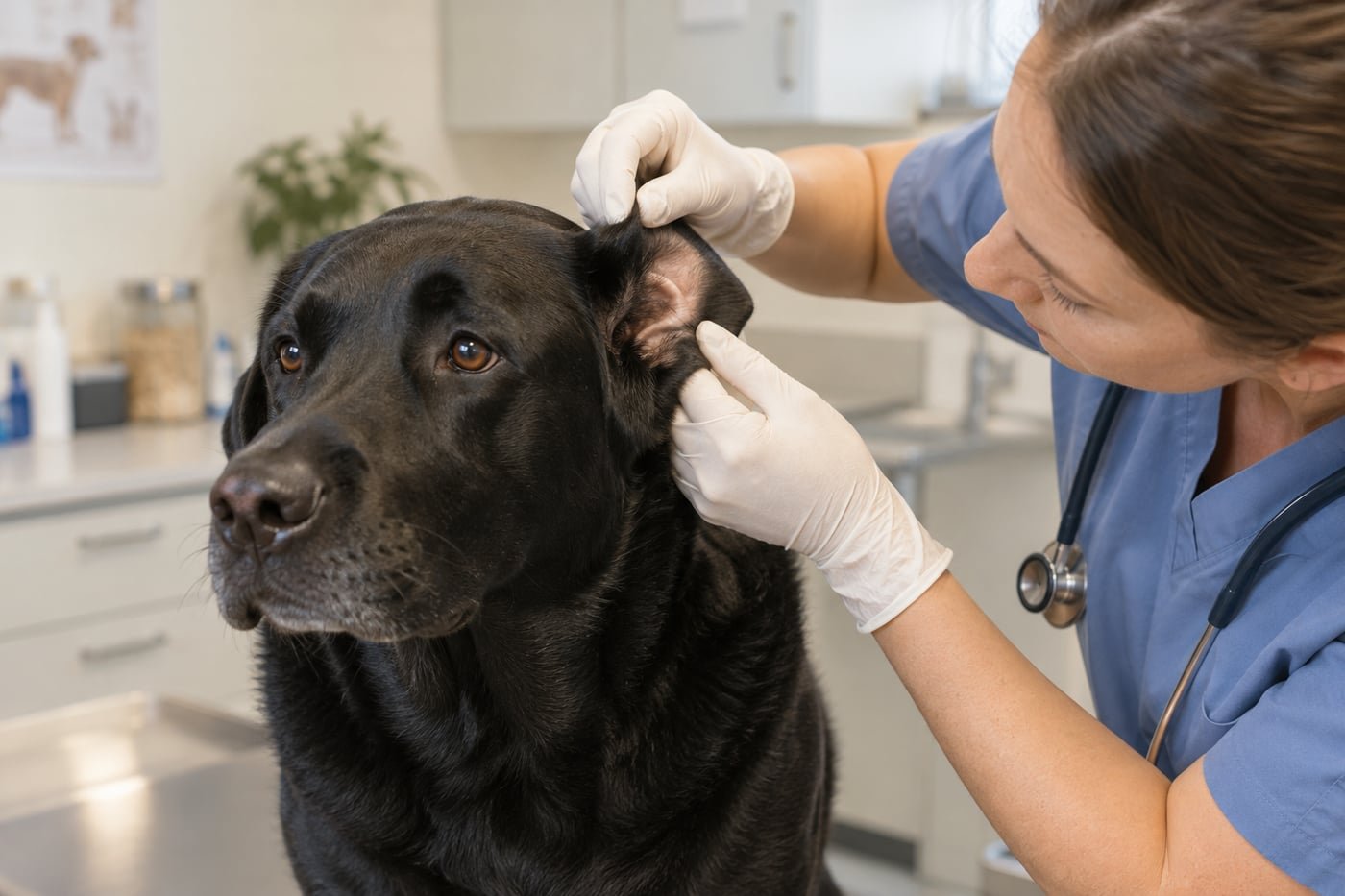
Redness, discharge, a strong smell, repeated head shaking or pain are reasons to contact the clinic first. Do not try to dig out material or keep cleaning an ear that hurts. Ask which cleaner is appropriate, especially if your dog has had ear disease.
Gather a few simple supplies
Use the veterinarian’s recommended ear cleaner, cotton pads or gauze, a towel and rewards. Work on a stable surface in a quiet room. Keep the bottle tip clean. Avoid cotton buds inside the canal and do not substitute peroxide, alcohol or homemade mixtures.
How should you prepare a dog who dislikes ear handling?
Practise away from cleaning time. Touch the shoulder, briefly approach the ear and reward relaxed participation. Progress to lifting the flap only if the dog remains comfortable. Arrange your supplies first so you do not have to keep holding the dog while reaching across the room. If the dog repeatedly pulls away, growls or seems sore, stop and ask the clinic for a handling plan.
Follow the cleaner’s instructions
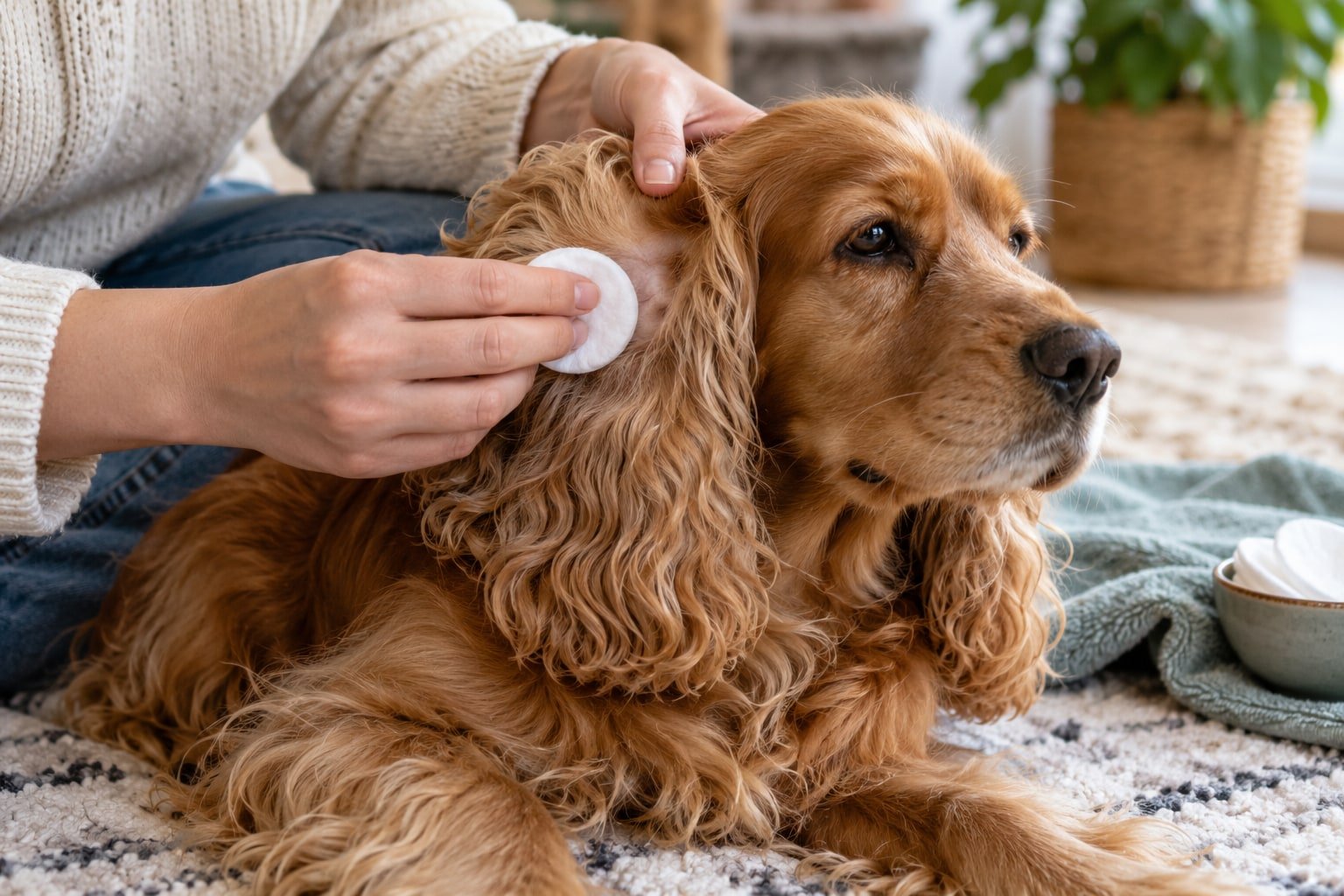
If your vet has confirmed routine cleaning is appropriate, apply the recommended cleaner and gently massage the ear base as directed. Allow your dog to shake, then wipe the material you can easily reach. Stop if the dog appears painful. Never push a pad or tool down the canal.
Build a cooperative routine
Practise briefly touching the ear and rewarding calm acceptance between cleaning sessions. Keep sessions short and let your dog take a break. Record when cleaning was done and whether symptoms appeared. Ask the clinic about frequency instead of assuming that daily cleaning is necessary.
What should you record after an ear-cleaning session?
Note which ear was cleaned, the product used and whether the dog appeared comfortable. Tell the clinic if discharge, smell or head shaking returns, rather than repeatedly changing cleaners. One ear may behave differently from the other, so keep observations separate. A short record helps your vet distinguish occasional debris from a recurring pattern and makes the next appointment more useful.
Your practical checklist
- Look at the outer ear and stop if it is painful, red or producing abnormal discharge.
- Place the recommended cleaner, cotton pads, towel and rewards within reach.
- Use the amount and massage method demonstrated by your veterinary team.
- Allow a shake, then wipe only material you can reach easily.
- Finish with a reward and follow the individual cleaning schedule you were given.
Common questions and answers
How often should I clean my dog’s ears?
There is no schedule for every dog. Some need little routine cleaning; others need a specific plan because of their ears or medical history. Ask your veterinarian for a frequency and review it if the ears become irritated or symptoms recur.
Can I use cotton buds inside the ear?
No. Avoid putting cotton buds or other tools into the canal. Use a pad or gauze only on accessible areas as instructed. If material is deeper than you can safely reach, let the veterinary team assess it.
Can I use water, vinegar or peroxide instead of cleaner?
Do not improvise a mixture for an ear that has not been assessed. Products can irritate tissue or be inappropriate when disease is present. Use the cleaner recommended for your dog and check before substituting something else.
What if my dog shakes their head afterward?
A brief shake is expected during cleaning, but persistent shaking, discomfort or loss of balance needs veterinary advice. Do not assume every reaction is normal. Describe the product used, timing and whether the ear was already causing problems.
Check our previous articles
Continue with these related guides from My Dog Recipes:
Sources and further reading
Updated September 29, 2026. General educational guidance; individual health and feeding decisions depend on your dog’s needs.






Leave a Reply