
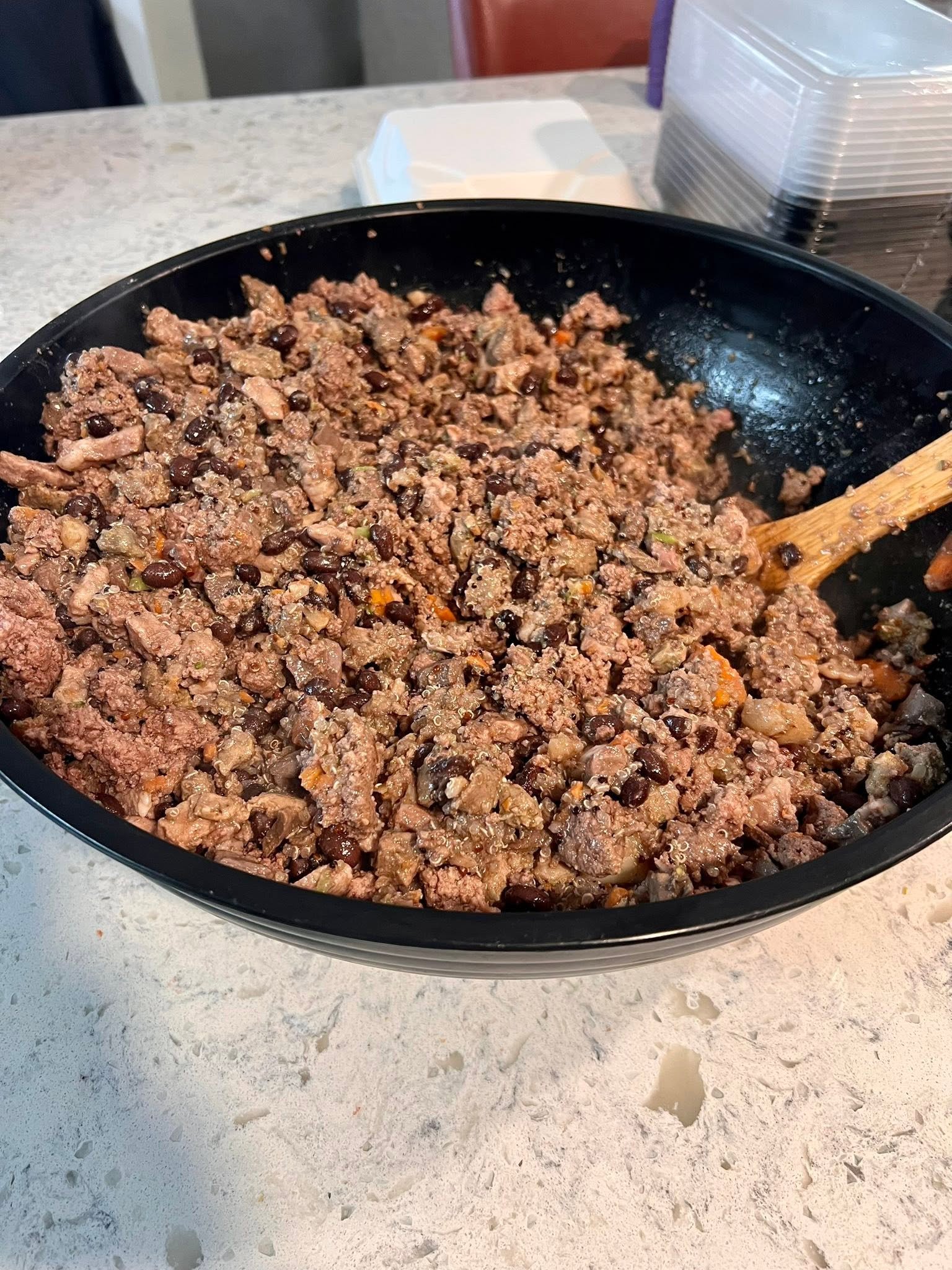
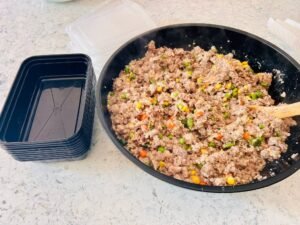
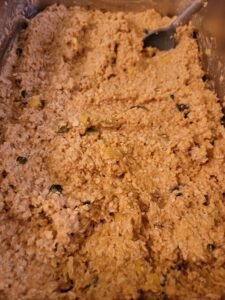
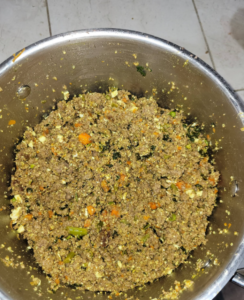
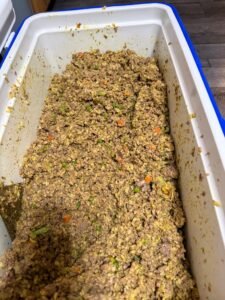
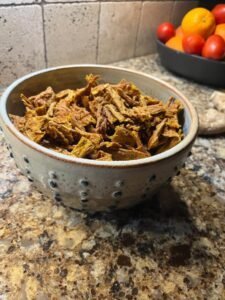
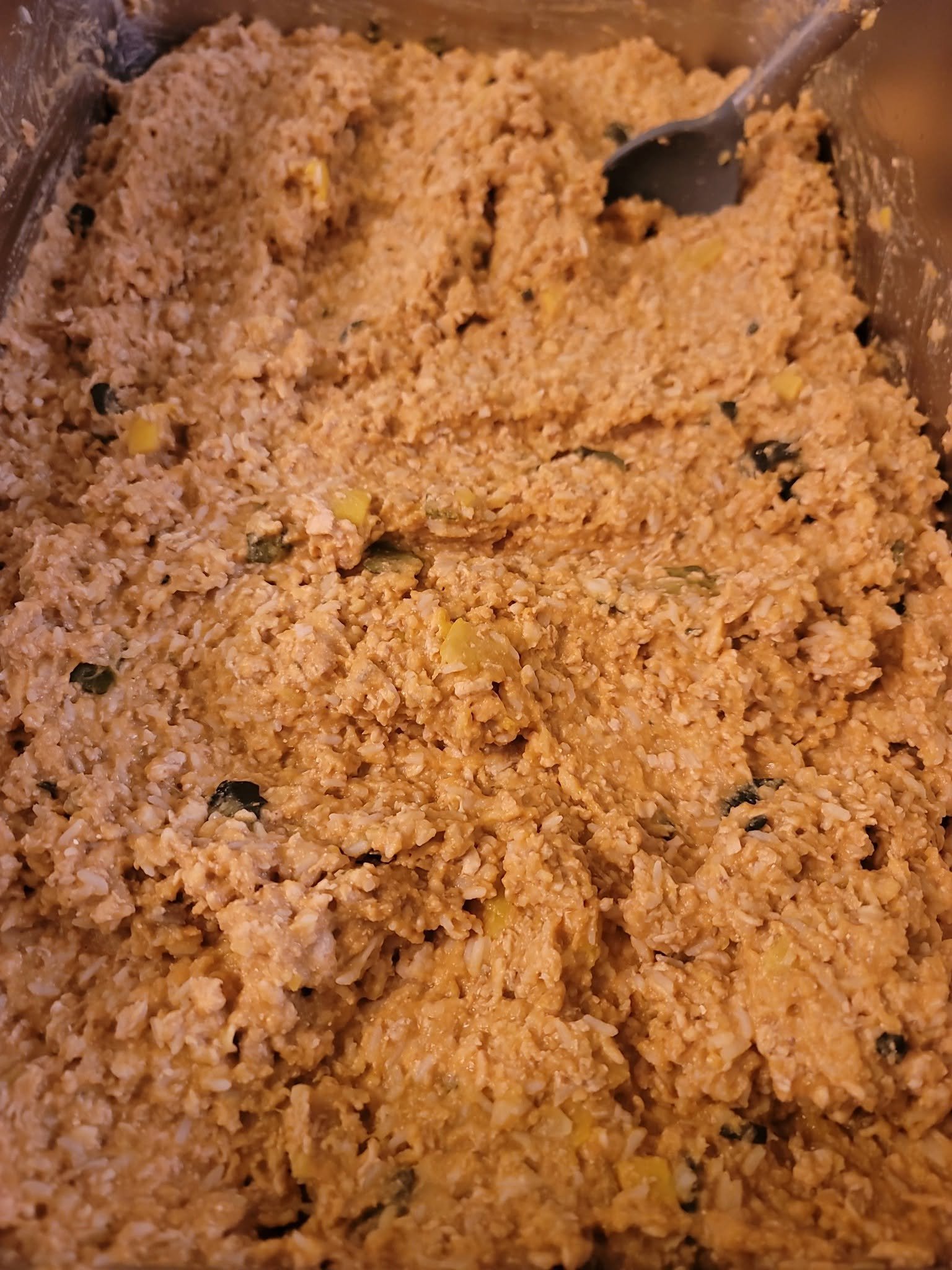
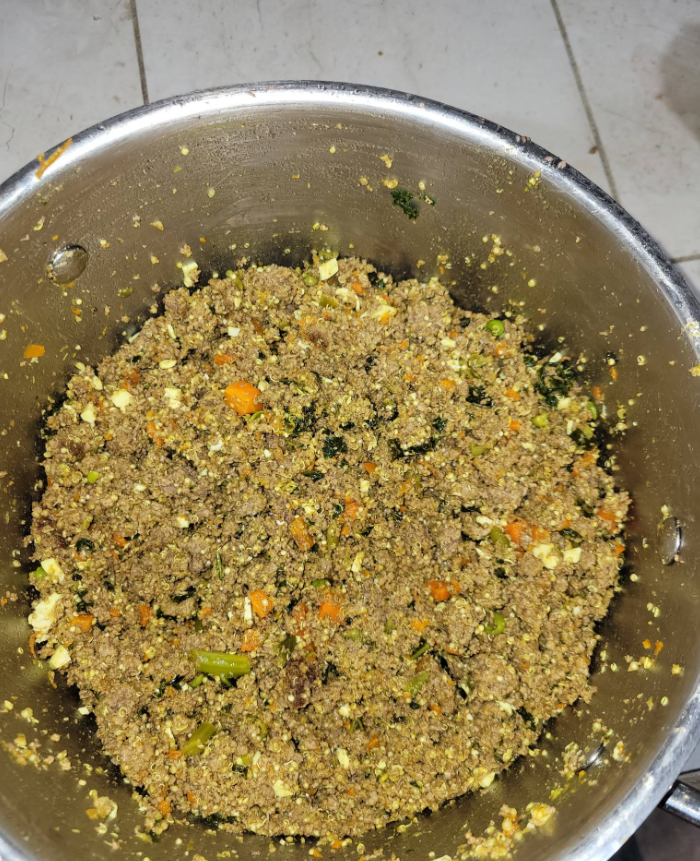
Pork and beef dog food with quinoa combines several meat cuts with black beans, eggs, vegetables and applesauce. The mixture has a coarse texture, with small grains and beans distributed through the meat. Preparing the components separately helps keep a large batch organized before mixing and portioning.
This is an ingredient and preparation guide, not a complete feeding recipe. Exact quantities and a cooking method were not supplied. A veterinary nutritionist needs to establish the proportions and any necessary supplements before this mixture is used as a regular diet.
Ingredients in the batch
- Pork roast
- Beef cheeks
- Ground beef, also called hamburger meat
- Beef liver
- Beef heart
- Mixed vegetables
- Black beans
- Eggs
- Applesauce
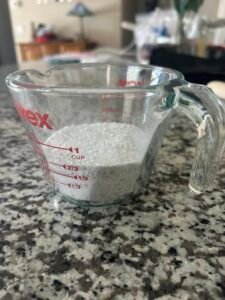
- Quinoa
Record an exact weight for each ingredient and specify whether it is weighed raw, cooked or drained. Identify the vegetables in the mix and the fat percentage of the ground beef. Different meat cuts and different proportions can produce a very different finished food even when the ingredient names stay the same.
Choosing plain ingredients
Use unseasoned meat rather than marinated roast or seasoned hamburger patties. Keep onion, garlic and salty sauces out of the preparation. Remove any bones before mixing or serving the food.
Choose plain, fully cooked black beans rather than a seasoned bean dish. If starting with dried beans, follow their full cooking instructions; do not add raw or merely soaked beans to the mixture. Cook quinoa in plain water according to its package instructions. These preparation details still need to fit the final measured formulation.
Use plain, unsweetened applesauce and read the ingredient label. Avoid any product containing xylitol, which is dangerous for dogs. Applesauce contributes moisture but does not make a meat mixture nutritionally complete.
Planning the cooking process
Once a measured recipe is finalized, prepare the meat cuts in separate pans as needed. A roast, beef cheeks and ground meat do not necessarily cook at the same rate. Keep raw-meat utensils separate from cooked ingredients and use a food thermometer to check doneness.
For an intact pork roast cooked separately, the minimum internal temperature is 145°F (63°C), followed by a three-minute rest. Ground beef needs 160°F (71°C). Those are food-safety minimums, not instructions for achieving a particular tenderness. Follow the appropriate method for each cut, and cook eggs until both whites and yolks are firm.
Chop or shred the prepared meat, then combine it with the cooked grains, beans and vegetables in a clean bowl. If the ingredients are cooked together as a casserole, check that the mixture reaches 165°F (74°C). The photographs cannot establish a cooking temperature or confirm how the pictured batch was prepared.
Portioning the finished mixture
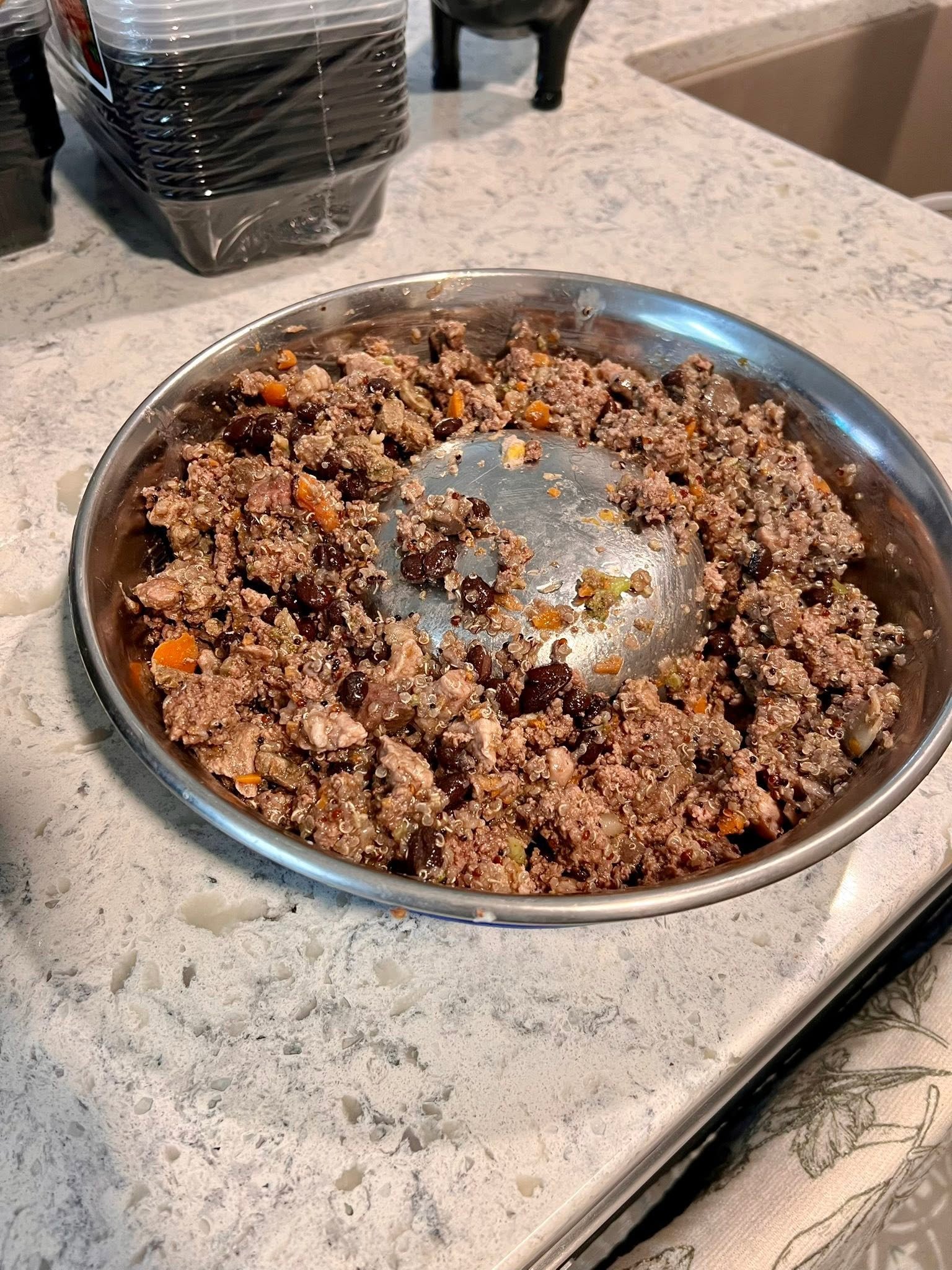
Stir thoroughly so the ingredients are distributed throughout the batch. Weigh portions using the feeding plan developed for the dog. A filled bowl is not a serving-size measurement, and the amount shown in a photograph should not be copied as a daily ration.
No reliable calorie total or number of meals can be calculated without ingredient weights, meat specifications and the finished yield. Keep those details with the recipe so future batches can be prepared consistently.
Cooling and freezer storage
Transfer the mixture into shallow containers promptly rather than leaving it in a deep mixing bowl to cool. Refrigerate within two hours, or within one hour when the surrounding temperature exceeds 90°F (32°C). Keep the refrigerator at 40°F (4°C) or below.
Use refrigerated cooked portions within three to four days and freeze the remainder promptly. Label containers with the preparation date and thaw frozen portions in the refrigerator. Keep the food out of reach of pets while cooking and cooling.
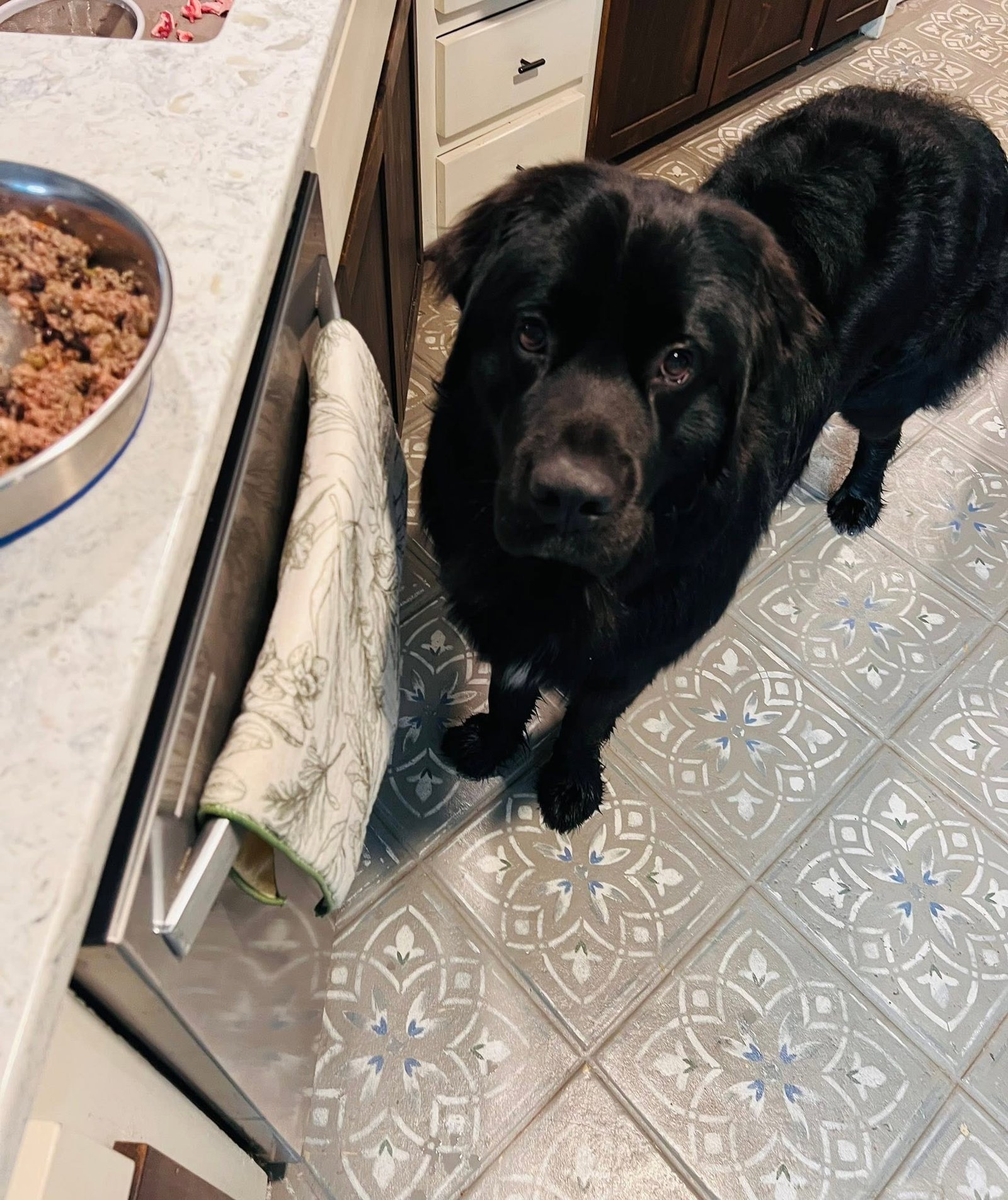
Does using several meats balance dog food?
Ingredient variety does not establish nutritional completeness. Liver and heart are not interchangeable ingredients, and adding more organ meat is not a substitute for assessing the whole formula. Quinoa, beans and eggs also need to be included in that assessment.
For regular homemade feeding, have the exact recipe checked for the dog’s life stage, health and calorie needs. Follow the resulting formula consistently, including any specified supplements, rather than adjusting the mixture according to whichever meats are available.


Leave a Reply