

Dogs can have small portions of several fruits, including prepared apple flesh, blueberries, banana and melon. Remove inedible parts, avoid grapes and raisins, and use fruit as an occasional extra.
Fruit guide: what can dogs eat?
These are common supermarket fruits with published guidance, not every fruit in the world. “Can eat” means a small plain portion of the prepared flesh may be offered to a healthy dog. Fruit is optional and should not displace a complete diet. Individual intolerance, diabetes, weight control or a prescription diet may change the answer.
On a phone, swipe the table sideways to read every column.
| Fruit | What it offers | Preparation and limit |
|---|---|---|
| Apple | Crunch and fiber | Wash; remove the core and seeds; dice the flesh. |
| Banana | Soft texture and fiber | Peel; give a thin slice because it is calorie dense. |
| Blueberries | Small, low-calorie training treat | Wash; mash for dogs that gulp round pieces. |
| Blackberries | Fiber and variety | Wash; offer a few, cut or mashed if needed. |
| Strawberries | Water and flavor | Wash, remove leaves and cut; no sweetened coating. |
| Raspberries | Fiber and variety | Wash; use only a few. Large portions can upset the stomach. |
| Cranberries | Tart variety | Plain fresh or unsweetened only; check dried mixes for raisins and added sugar. |
| Watermelon | High water content | Remove rind and seeds; cut the flesh into small pieces. |
| Cantaloupe and honeydew | Water-rich treat | Discard rind and seeds; offer small cubes. |
| Mango | Flavor and some fiber | Remove skin and the large pit; serve a little flesh. |
| Pineapple | Juicy treat | Remove crown, tough skin and core; avoid syrup-packed fruit. |
| Pear | Crunch and fiber | Remove core, seeds and stem; dice fresh flesh. |
| Peach, nectarine, apricot, plum | Soft flesh and variety | Only small pieces of ripe flesh cut completely away from the pit; keep pits and stems out of reach. |
| Orange | A different flavor | Only a little peeled, seedless flesh; acidity may upset some dogs. |
| Kiwi | Soft fruit with fiber | Peel and cut very small; avoid a whole fruit as a choking risk. |
| Fresh fig | Soft texture and fiber | Only a small piece of ripe flesh; remove the stem and stop if it upsets the stomach. |
Fruits and fruit parts to keep away
On a phone, swipe the table sideways to read every column.
| Item | Why it belongs on the avoid list |
|---|---|
| Grapes, raisins, sultanas and Vitis currants | Potentially serious kidney injury; no reliably safe number. This includes trail mix and baked goods containing them. |
| Cherries with pits, stems or leaves | Chewed pits and other plant parts contain cyanogenic compounds; pits may obstruct the gut. Do not offer whole cherries. |
| Peach, plum, apricot, nectarine and mango pits | Choking or obstruction; stone-fruit pits and plant parts can have additional toxicity concerns. |
| Apple and pear cores and seeds | Seeds and hard cores are unnecessary and may pose choking or other risks; serve the flesh instead. |
| Melon rind; pineapple skin and crown | Tough, poorly digestible parts can cause choking or obstruction. |
| Citrus peel, leaves and concentrated citrus oils | Can irritate the digestive tract; small amounts of peeled orange flesh are a different situation. |
| Avocado as a routine treat | Fatty flesh can cause upset, and the large pit can obstruct the gut. It is not in the same toxicity category as grapes. |
| Pomegranate fruit, rind and seeds | The rind or stem can obstruct, and many seeds can cause digestive upset. Skip the whole fresh fruit. |
| Star fruit | Sour varieties can contain harmful soluble oxalates, especially concerning with kidney disease. Do not use it as a dog treat. |
| Unidentified wild berries or fruit | Some plants and lookalikes are unsafe. Identify the plant before offering anything; otherwise skip it. |
| Fruit salad, jam, sweetened dried fruit and desserts | Ingredients may include raisins, xylitol, alcohol or excess sugar; read the whole label. |
If your dog ate grapes, raisins or a fruit pit: call your veterinarian or an animal poison service promptly with the fruit type, amount, time and your dog’s weight. Do not wait for symptoms or try to induce vomiting unless directed. If the item is an unfamiliar fruit, ask rather than assuming that its resemblance to a safe berry makes it safe.
What are the actual benefits of fruit?
Water-rich melon may be a refreshing small treat, berries can be convenient low-calorie rewards, and peeled apple provides crunch and fiber. These traits can help you choose between treats; they do not make fruit a treatment for dehydration, inflammation or digestive disease. For a dog that already eats a complete food, the main advantage may simply be variety. Treats should usually stay below 10% of daily calories. Here, “currants” on the avoid list means dried Vitis grapes (often sold as Zante currants), not every berry named currant; check the exact plant and product rather than relying on the name.
Choose and prepare the fruit
Apple flesh, blueberries, banana and melon flesh are common options. Wash produce, remove apple cores and seeds, and discard melon rind and large pits. Chop or mash as needed; even an otherwise suitable food can be difficult to swallow in a large or round piece.
Avoid risky mixes
Do not offer grapes or raisins. Fruit salads, desserts and smoothies may contain these or other unsuitable ingredients. Use plain fruit instead of syrup-packed fruit or sweetened mixtures, and check every ingredient rather than assuming that a fruit-flavoured product is appropriate.
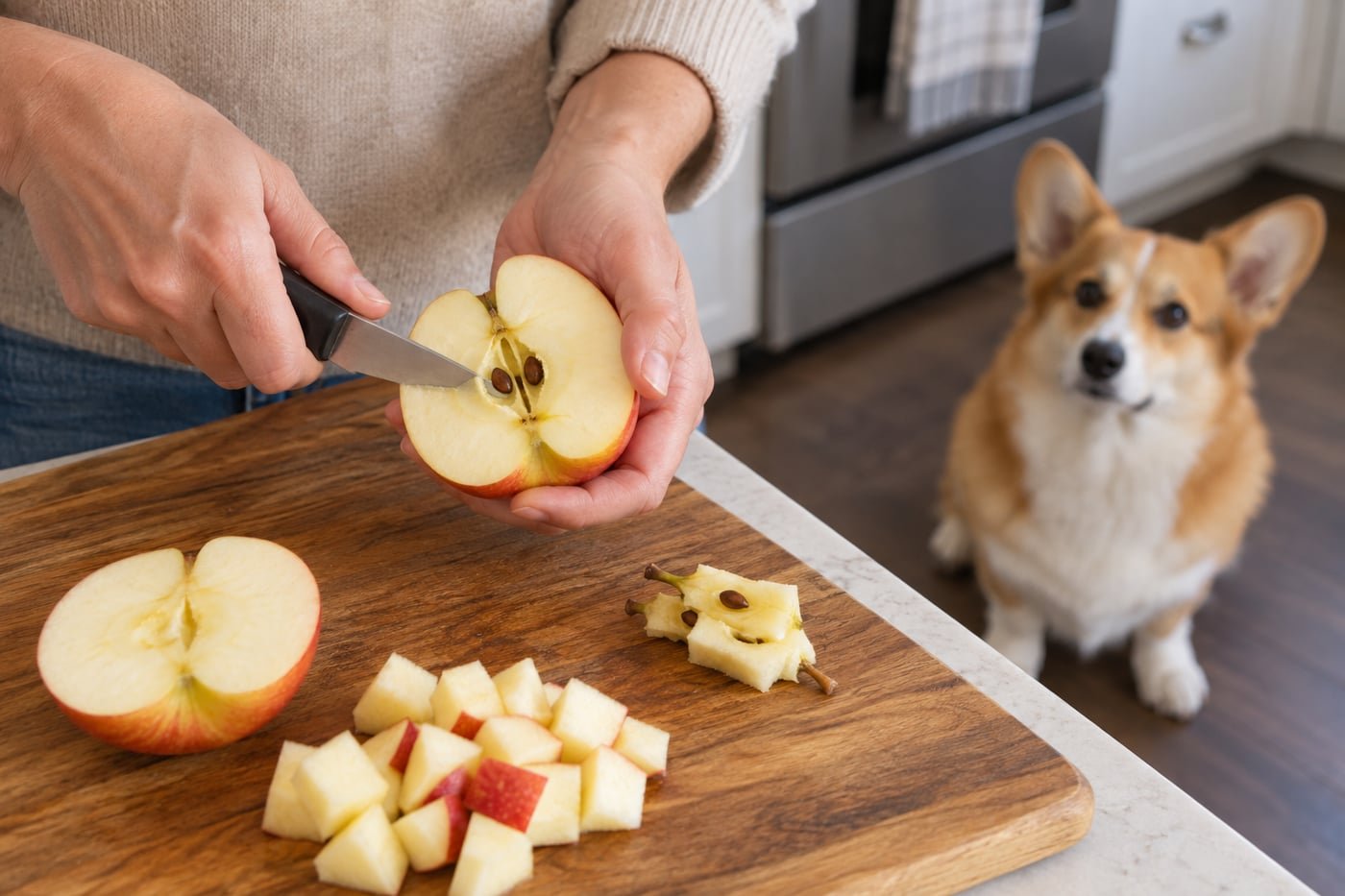
Which preparation details are easy to miss?
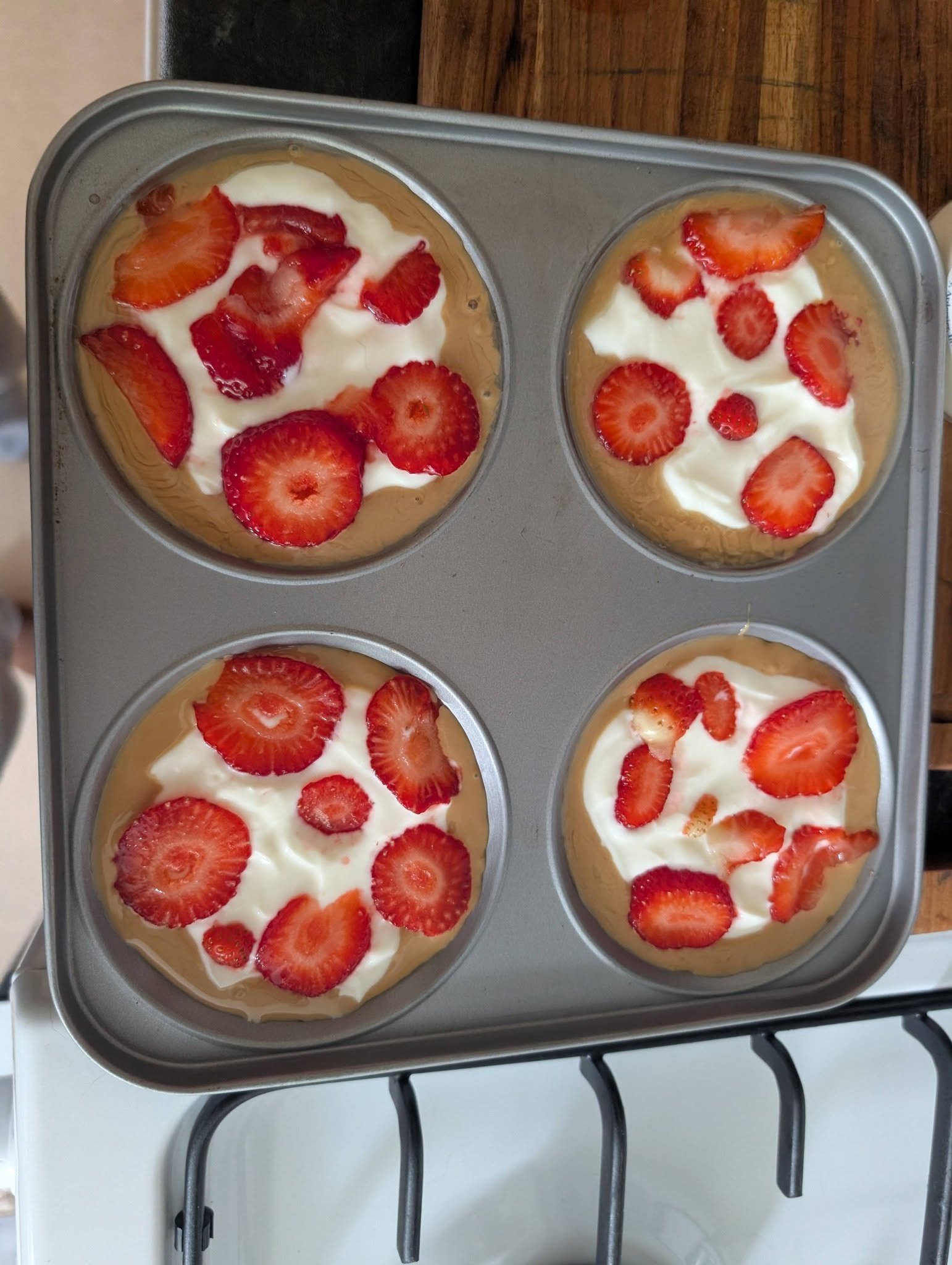
Put washed fruit on a clean board and separate edible pieces from cores, pits and rind before the dog comes into the kitchen. Keep those discards out of reach. For a dog who gulps, mash soft fruit or cut it more finely rather than offering whole round pieces. The fruit shown in a photograph illustrates the ingredient; it is not a recommended serving for every dog.
Introduce one small sample
Offer a small taste on a day when the rest of the diet stays familiar. Record what you served if your dog has a sensitive stomach. Stop that extra if it causes digestive upset. Dogs on a veterinary diet should have any new treats checked against their feeding plan.
Keep preparation practical
Prepare a few small portions in a labelled container so family members do not all hand out separate servings. Remove uneaten pieces and wash the bowl. Fruit should remain an extra; it does not turn an unbalanced homemade meal into a complete diet.
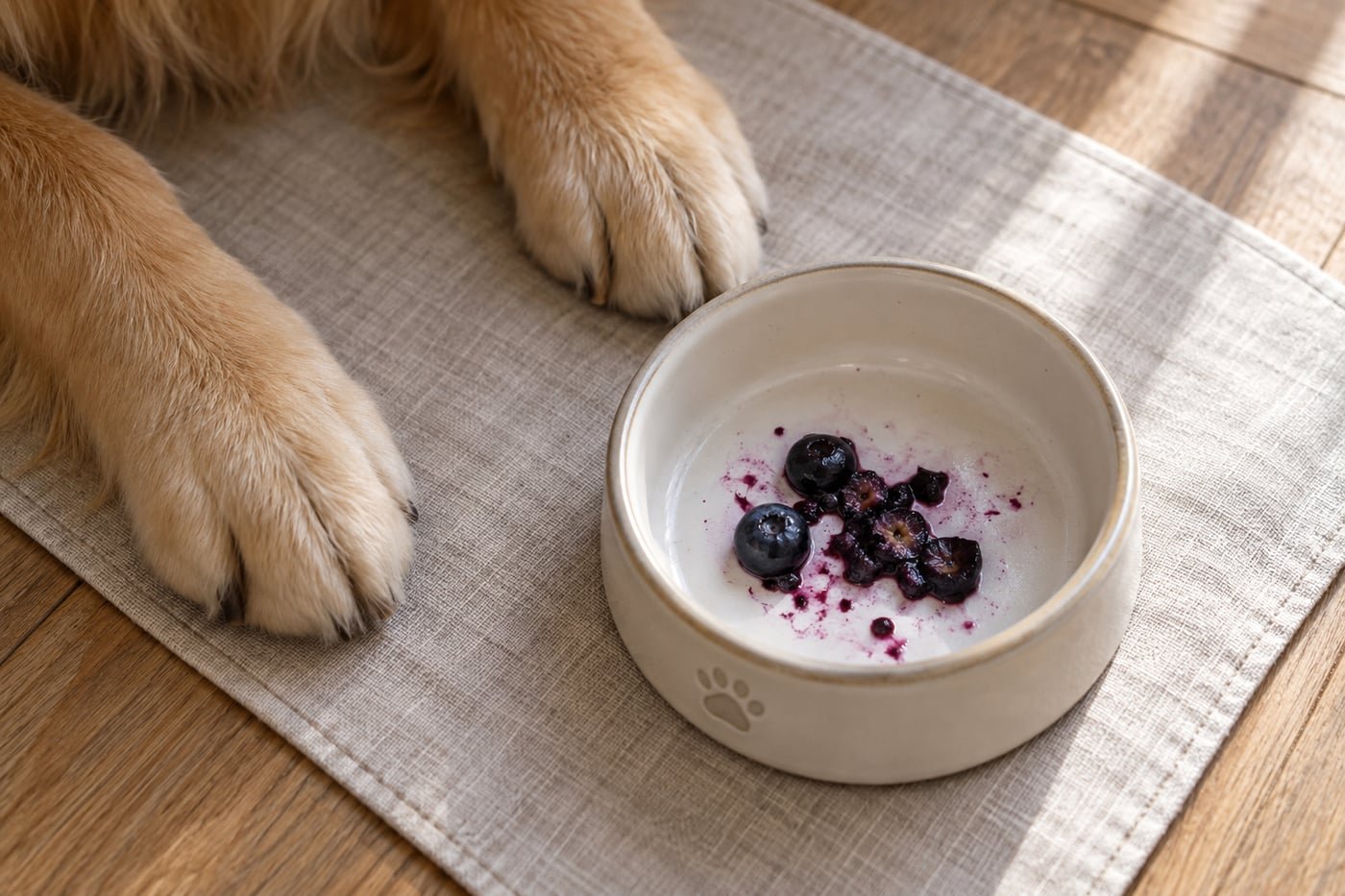
How can you make fruit treats fit your routine?
Pick one fruit to try while keeping meals and other treats familiar. Portion a little into a small labelled container instead of feeding from the family fruit bowl. If several people train or walk the dog, tell them that fruit has already been included in the day’s extras. A simple routine is easier to monitor than a new fruit mixture every day.
Your practical checklist
- Choose fresh, sound fruit and wash it before cutting.
- Remove the core, seeds, large pits, rind or peel as appropriate.
- Cut or mash a small sample to suit the dog’s eating style.
- Supervise the first taste and keep the rest of the diet familiar.
- Refrigerate prepared fruit appropriately and discard spoiled leftovers.
Common questions and answers
Can dogs eat frozen fruit?
Plain frozen fruit still needs the same ingredient checks and removal of pits or rind. Hard chunks can be awkward for a dog to chew or swallow. Let pieces soften and serve a small manageable amount rather than a large frozen lump.
Can I give fruit every day?
Fruit is optional. A small amount may fit some dogs’ routines, but daily fruit is not a requirement. Consider all other extras and ask your veterinarian about treats if your dog has diabetes, weight concerns, digestive problems or a prescribed diet.
Is fruit juice a good alternative?
Whole prepared fruit is easier to portion and inspect. Juice, smoothies and fruit drinks can contain concentrated sugar or unsuitable additions. Do not assume that a drink with a familiar fruit on its label has the same ingredients as that fruit alone.
What should I do if fruit causes loose stools?
Stop the new extra and note the amount and preparation. Contact your veterinarian if symptoms persist, recur or come with vomiting, lethargy or discomfort. Avoid trying several other fruits immediately, because that makes the cause harder to identify.
Check our previous articles
Continue with these related guides from My Dog Recipes:
Sources and further reading
- ASPCA: People foods to avoid
- Pet Poison Helpline: Kitchen toxins
- Pet Poison Helpline: Cherry risks
- AKC: Can dogs eat blackberries?
- AKC: Can dogs eat kiwi?
- AKC: Fresh fig guidance
- AKC: Pomegranate risks
- Pet Poison Helpline: Star fruit
- AKC: Fruits and vegetables for dogs
- WSAVA: Treats and daily feeding
Updated September 29, 2026. General educational guidance; individual health and feeding decisions depend on your dog’s needs.







Leave a Reply