
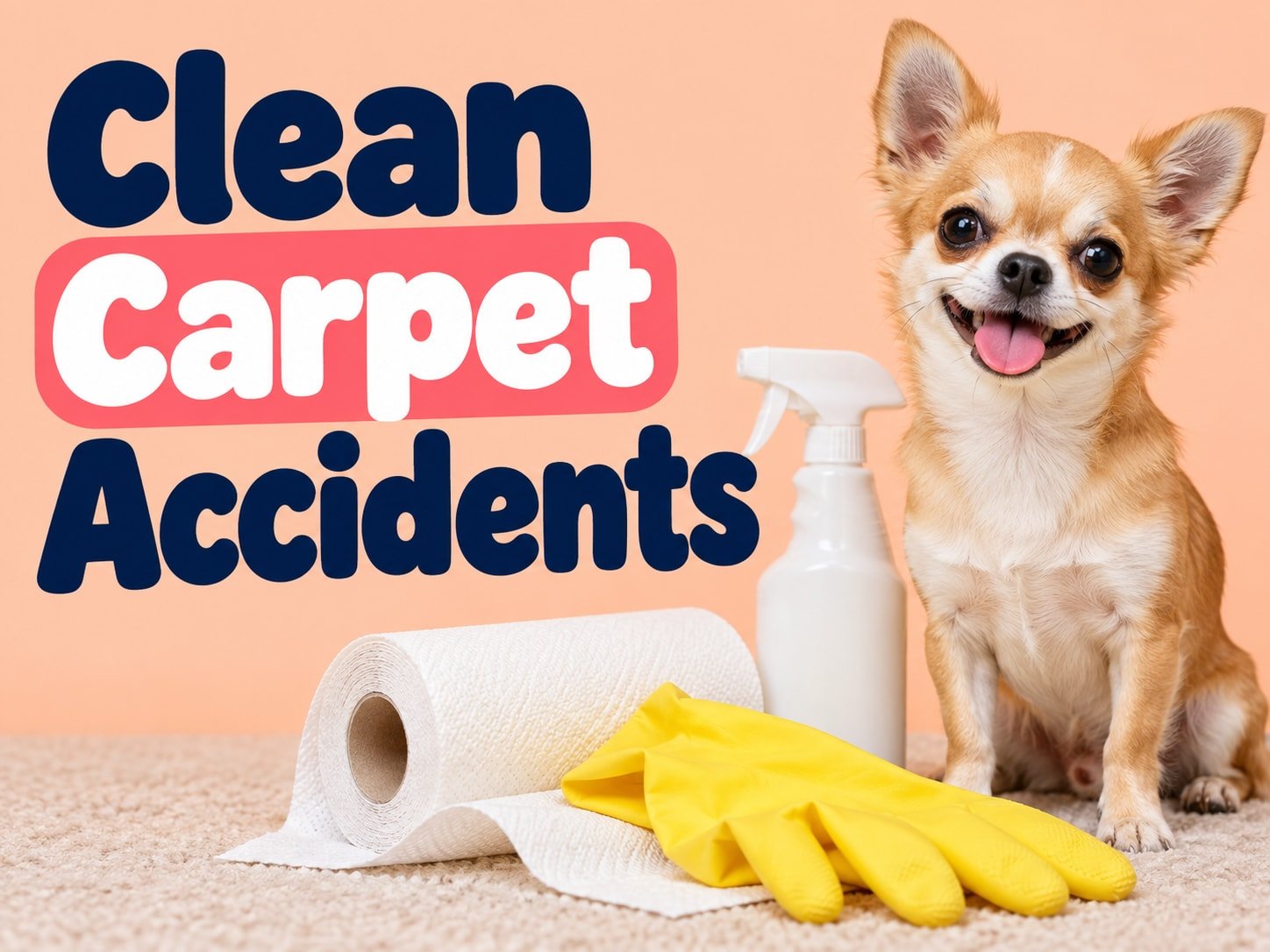
To clean dog poop from carpet, lift solids carefully, blot moisture and use a carpet-compatible pet-stain cleaner according to its label. Keep the dog away while you work and avoid rubbing waste deeper into the pile.
Clean a fresh solid accident step by step
- Keep pets and children away and put on gloves.
- Lift solids gently with a bag or paper; avoid pushing them deeper into the carpet pile.
- Blot residual moisture. Test the chosen cleaner in a hidden spot and follow its label.
- Allow the required contact and drying time; keep the area blocked until safe.
- Check for lingering odor after it is fully dry and repeat only as the product permits.
Diarrhea may reach the backing and need deeper treatment. Avoid rubbing, excessive soaking or mixing bleach and other cleaners. If accidents recur, note stool consistency, appetite and frequency. Diarrhea with blood, lethargy, repeated vomiting or dehydration signs needs veterinary advice; cleaning the floor is not the end of the problem.
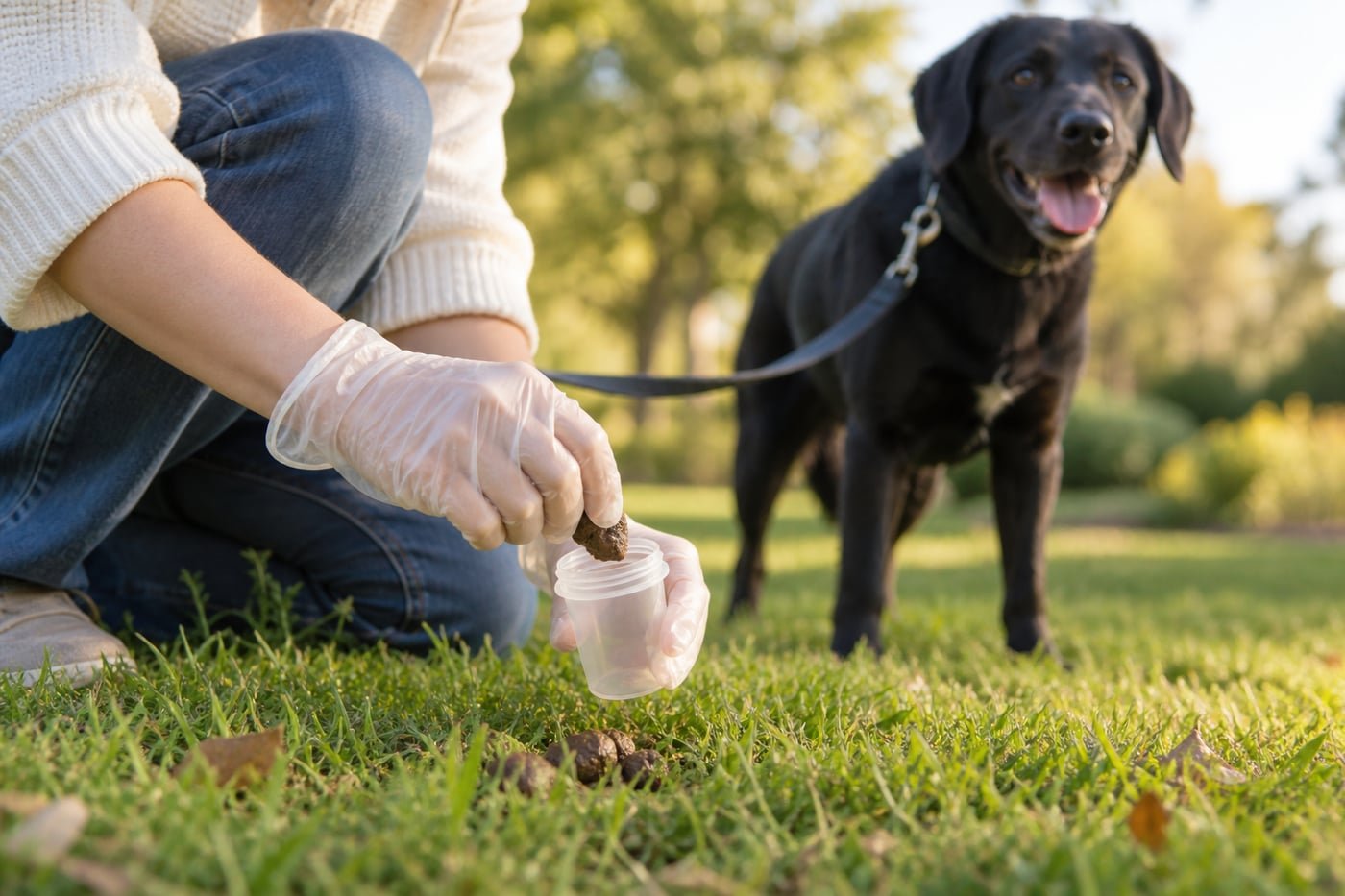
Lift the solid material
Put on gloves and gently collect solids with disposable material, working carefully to avoid pressing waste deeper into the pile. Bag the waste. Blot remaining moisture with clean absorbent towels instead of scrubbing the stain across a wider area.
Choose a compatible cleaner
Use a carpet-safe pet-stain product and test it in an inconspicuous place. Follow the label for dilution, contact time and any rinsing or extraction. More product is not automatically more effective. Do not combine cleaners, bleach or homemade mixtures.
What should you check before applying a cleaning product?
Identify the carpet material and read its care information. Wool, delicate dyes and specialist finishes may need a different approach from a general synthetic carpet. Test the cleaner in a hidden area and allow time to assess it. Gather gloves, absorbent towels, a disposal bag and the product first so you do not carry contaminated material through the room while looking for supplies.
Allow the area to dry
Keep pets and children away as directed by the product label. Avoid saturating the carpet unnecessarily, and allow adequate airflow. If the stain or odour reaches the underlay, a surface treatment may be insufficient; ask a carpet-cleaning professional about the next step.
Consider why the accident happened
Clean calmly without punishment. Review toilet opportunities and watch for repeated loose stools or urgency. Contact your veterinarian for recurring diarrhoea or illness, particularly when accompanied by vomiting, lethargy or blood. A cleaning routine cannot address a medical cause.
What if the accident has spread or soaked through?
Work carefully from the affected area rather than scrubbing broadly. Follow the product’s instructions for removing residue, contact time and drying. If material has reached the backing or underlay, repeated treatment of the surface may not solve the problem. Explain the accident and any products already used to a professional cleaner so they can assess the flooring rather than starting with an unknown mixture.
Your practical checklist
- Keep pets and children away and put on protective gloves.
- Lift solid material into a disposal bag without pressing it into the carpet.
- Blot remaining moisture with clean absorbent material.
- Patch-test and use a compatible pet-stain cleaner exactly as instructed.
- Allow proper drying and reassess before reopening the area.
Common questions and answers
Should I scrub the stain hard?
Avoid vigorous rubbing that spreads material or damages fibres. Lift solids first, then blot moisture and follow the cleaner’s directions. Use fresh absorbent material as needed rather than repeatedly pushing a soiled towel over a larger area.
Can I use bleach on the carpet?
Do not assume bleach is suitable. It can damage or discolour materials and must never be mixed with other cleaners. Use the carpet manufacturer’s guidance and a compatible product, or consult a professional for a delicate or valuable carpet.
What if the smell remains after the carpet dries?
The source may be deeper than the visible stain or the treatment may not suit the material. Avoid layering more products without guidance. Tell a professional what happened and what has already been applied so the next step is informed.
Should I punish the dog for the accident?
No. Clean calmly and review toilet access, training and health. Repeated diarrhoea, urgency or a sudden change in a previously reliable dog warrants a veterinary discussion. Punishment does not remove the stain or explain why the accident happened.
Check our previous articles
Continue with these related guides from My Dog Recipes:
Sources and further reading
- Humane Society: Removing pet stains
- ASPCA: Dog grooming tips
- The Humane Society: Removing pet stains
Updated September 29, 2026. General educational guidance; individual health and feeding decisions depend on your dog’s needs.







Leave a Reply