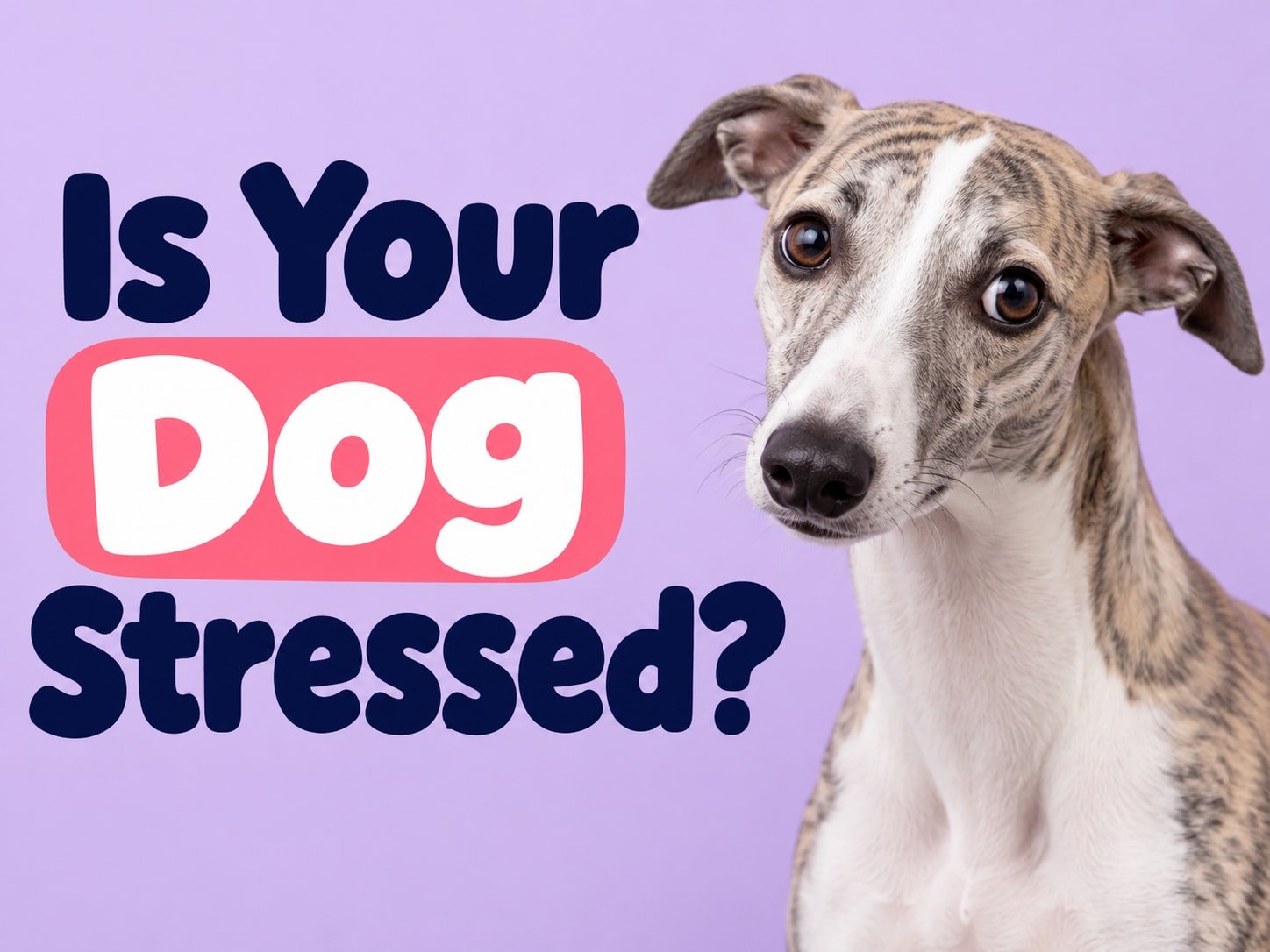
Signs your dog is stressed can include changes in posture, movement and interaction, but context matters. Look for patterns, give the dog space and seek help when distress persists or affects normal life.
Read the whole dog, not a single gesture
On a phone, swipe the table sideways to read every column.
| Possible stress signals | What to check next |
|---|---|
| Turning away, lip licking, yawning, freezing or avoiding contact | Is the dog trying to increase distance from a person, dog or noise? |
| Pacing, panting when not hot, trembling or repeated scanning | What changed in the setting, and could pain or illness contribute? |
| Growling or snapping | Give space immediately. Do not punish a warning or force another greeting. |
Start by moving the dog to a quieter, safer place and allowing choice. Note the trigger, distance, duration and recovery time. A dog who becomes stressed suddenly or cannot settle deserves a veterinary check, because pain and illness can change behavior. If the dog may bite or is persistently distressed, work with a qualified reward-based behavior professional and veterinarian.
Notice patterns in context
Pacing, panting without heat or exercise, tucked posture, turning away and repeated attempts to leave can signal discomfort. Note what happened just before the change. A crowded room, unfamiliar handling or a nearby dog may matter more than the behaviour viewed on its own.
Give the dog room to choose
Increase distance from the trigger and offer a quiet place to retreat. Avoid forcing greetings or holding the dog in an interaction they are trying to escape. Keep household rules clear so children and visitors know when to leave the dog alone.
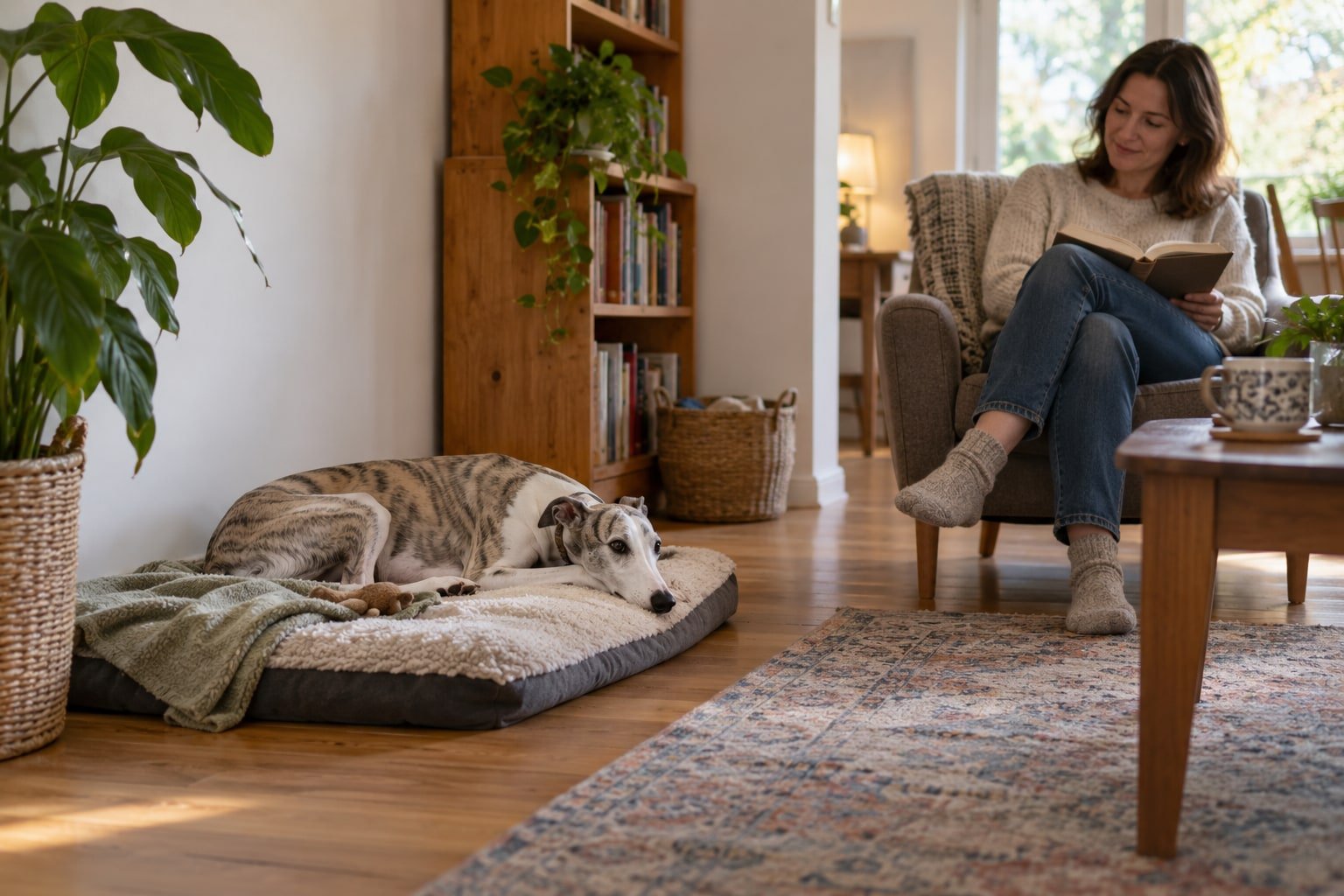
How can you tell whether a situation is becoming too much?
Compare the dog with their usual behaviour in that setting. Notice whether they repeatedly turn away, try to leave, stop engaging or become tense as someone approaches. Look at the whole body and the sequence of events rather than assigning a fixed meaning to a single movement. If the dog is trying to increase distance, help them do that instead of repeatedly asking them to stay close.
Keep a short observation log
Write down the setting, trigger, duration and how long recovery took. A brief video recorded safely can help a professional assess a pattern. Record comfortable situations too; this gives you practical starting points for building a routine the dog can manage.
Get help for persistent changes
Repeated panic, aggression or behaviour that disrupts eating, sleep or normal activities deserves veterinary advice. Pain or illness can contribute. A qualified behaviour professional can work with your veterinarian on a reward-based plan instead of suppressing warning signals through punishment.

What makes an observation log useful?
Write a concrete description: who was present, what changed, how far away the trigger was and what helped recovery. For example, note that the dog settled after moving to a quiet room rather than simply writing anxious. Record sleep, appetite and any discomfort too. Share the pattern with your veterinarian or behaviour professional so the plan can address both the environment and possible health contributors.
Your practical checklist
- Pause the interaction when the dog appears uncomfortable.
- Increase distance or provide access to a quiet retreat.
- Avoid forcing touch, greetings or continued exposure.
- Record what happened before and after the behaviour.
- Ask for veterinary and qualified behaviour support if the pattern continues.
Common questions and answers
Does yawning always mean stress?
No. Dogs yawn for more than one reason. Consider what else is happening, the dog’s posture and whether they are trying to avoid the situation. One sign in isolation is not a dependable emotional diagnosis.
Should I make my dog face the thing they fear?
Do not force prolonged contact with something the dog is struggling to tolerate. Start by managing distance and getting an appropriate training plan. A qualified professional can help you work at an intensity the dog can handle.
Can pain look like stress or bad behaviour?
Yes, discomfort can affect interaction, sleep and tolerance of handling. A sudden change deserves a veterinary discussion. Avoid assuming the dog is stubborn or deliberately difficult when a familiar activity has become hard for them.
Will more exercise solve every stress problem?
No. Appropriate activity and rest are useful parts of a routine, but distress can have medical, environmental or behavioural causes. Increasing intensity may be unsuitable for some dogs. Choose a plan based on the individual pattern rather than simply trying to tire the dog out.
Check our previous articles
Continue with these related guides from My Dog Recipes:
Sources and further reading
Updated September 29, 2026. General educational guidance; individual health and feeding decisions depend on your dog’s needs.







Leave a Reply