
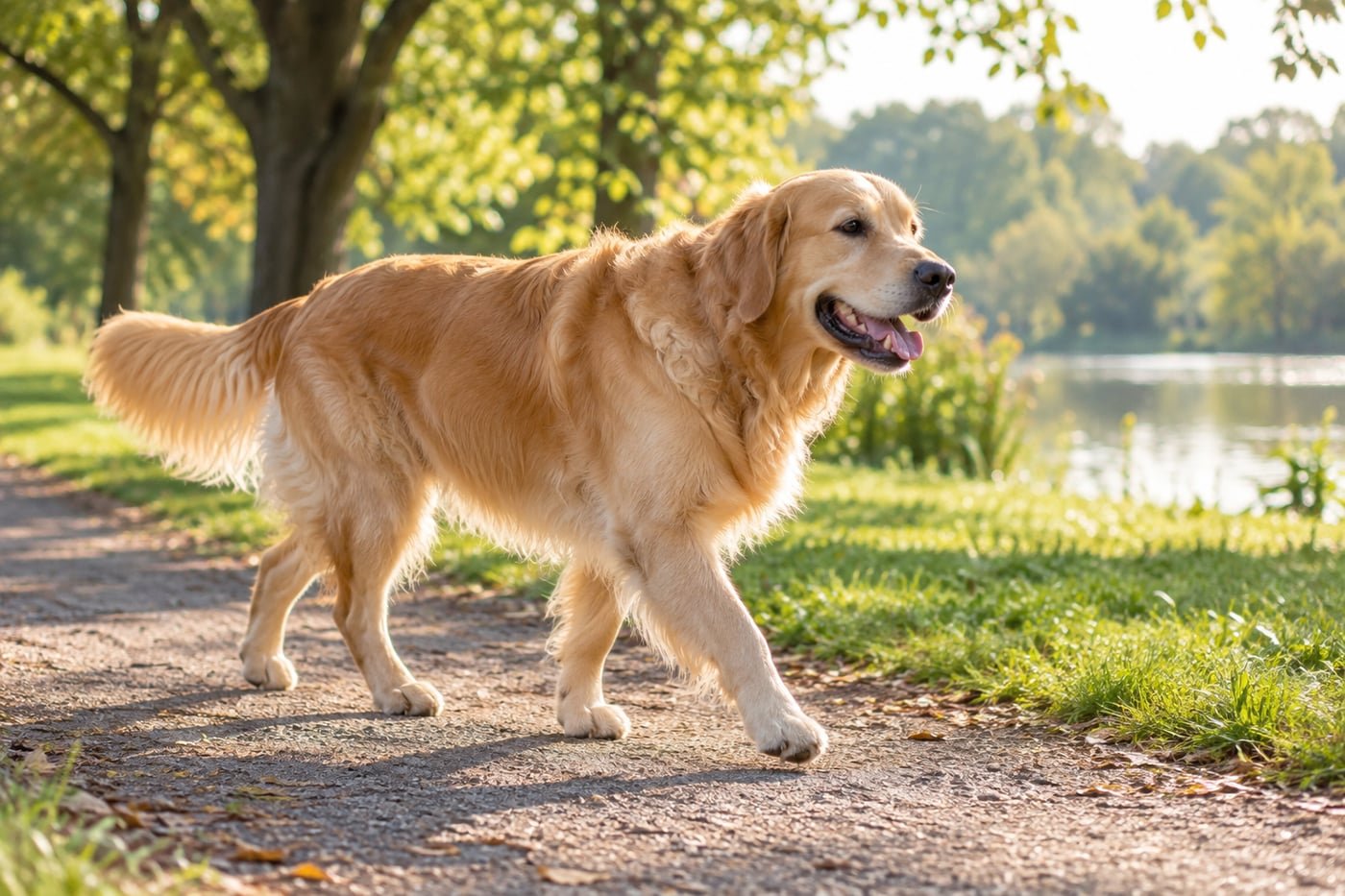
The most useful signs your dog is healthy are a comfortable daily routine, a steady appetite, normal bathroom habits and an interest in familiar activities. Look at the whole dog over time, rather than relying on a wet nose or one energetic afternoon.
A home check is a way to notice changes, not a diagnosis. Some diseases cause few visible signs early on. Keep routine veterinary appointments even when your dog seems well.
What does a healthy daily routine look like?
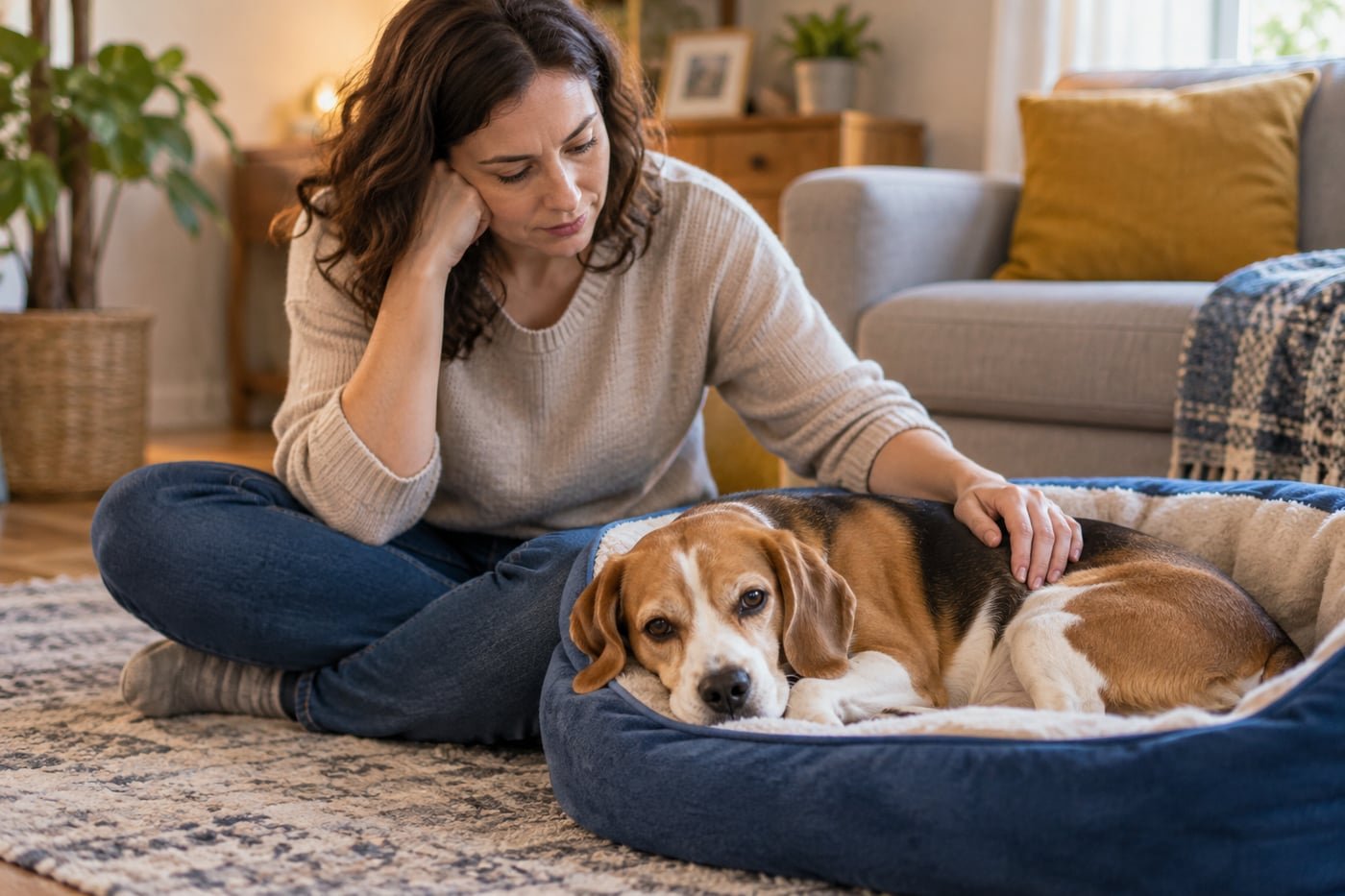
Start with your dog’s own baseline. A young terrier and a senior greyhound will not spend the day in the same way. Reassuring patterns include eating their usual amount, resting comfortably, moving without obvious difficulty and responding to people or activities they normally enjoy. Their coat and skin should be comfortable rather than persistently itchy, sore or irritated. [1]
Notice bathroom habits too. A change in stool consistency, repeated straining or a new need to urinate overnight deserves attention. A single good-looking bowel movement does not cancel out other symptoms.
Make a simple weekly health record
You do not need a complicated checklist. Choose a quiet moment and jot down five observations: meals, drinking, toilet habits, activity and any new physical changes. Use everyday descriptions such as “left half of breakfast” rather than guesses such as “stomach infection.”
- Write down the food and approximate portion offered.
- Note whether walks and getting up from bed look comfortable.
- Record new scratching, head shaking or licking.
- Keep dated photographs of a new lump or skin change for your vet.
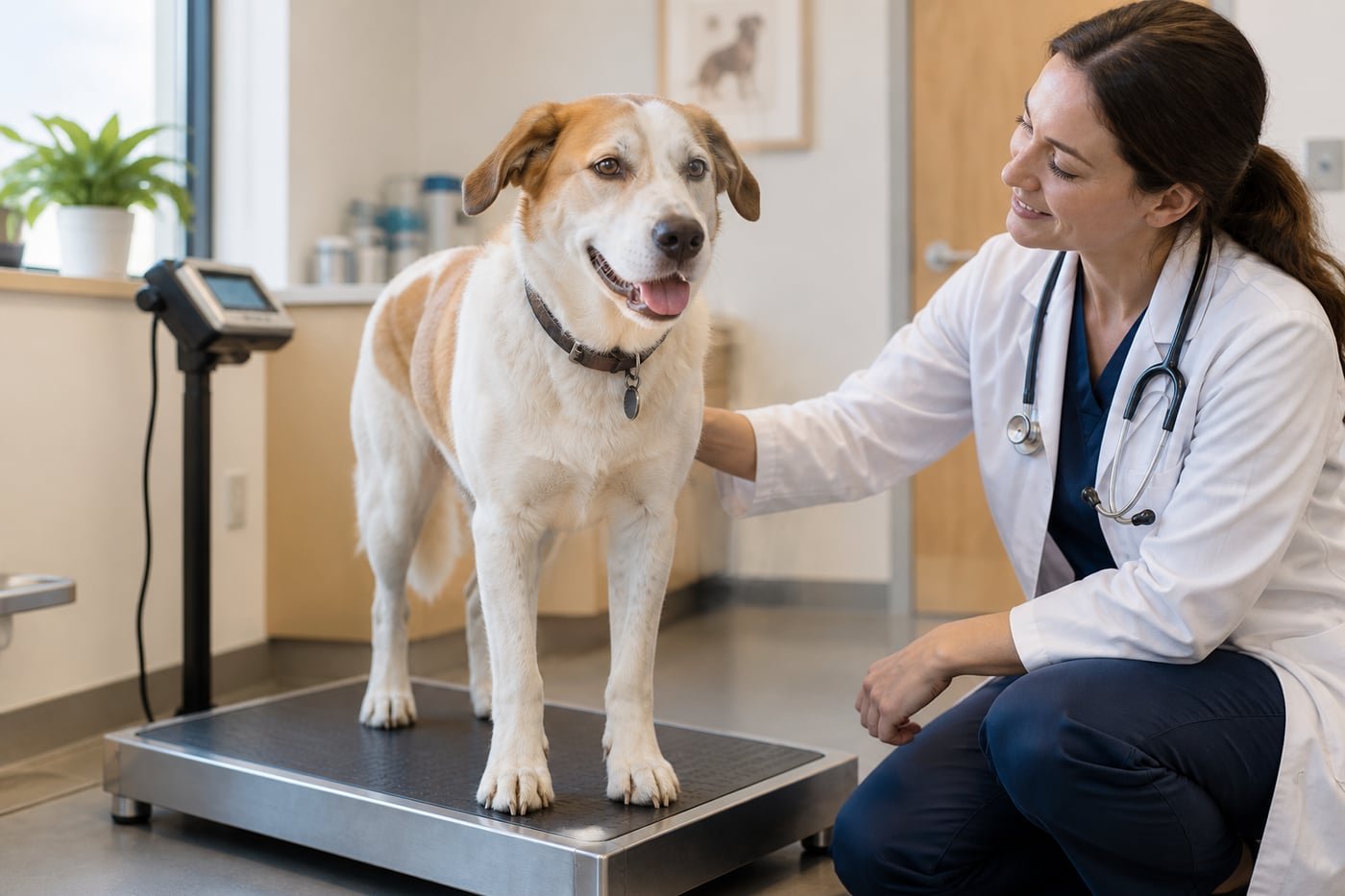
- Record weights from veterinary visits so changes are easier to discuss.
Comparisons become more useful when everyone in the household records information in the same place. A shared note also prevents two people from both giving an extra meal.
Why checkups still matter
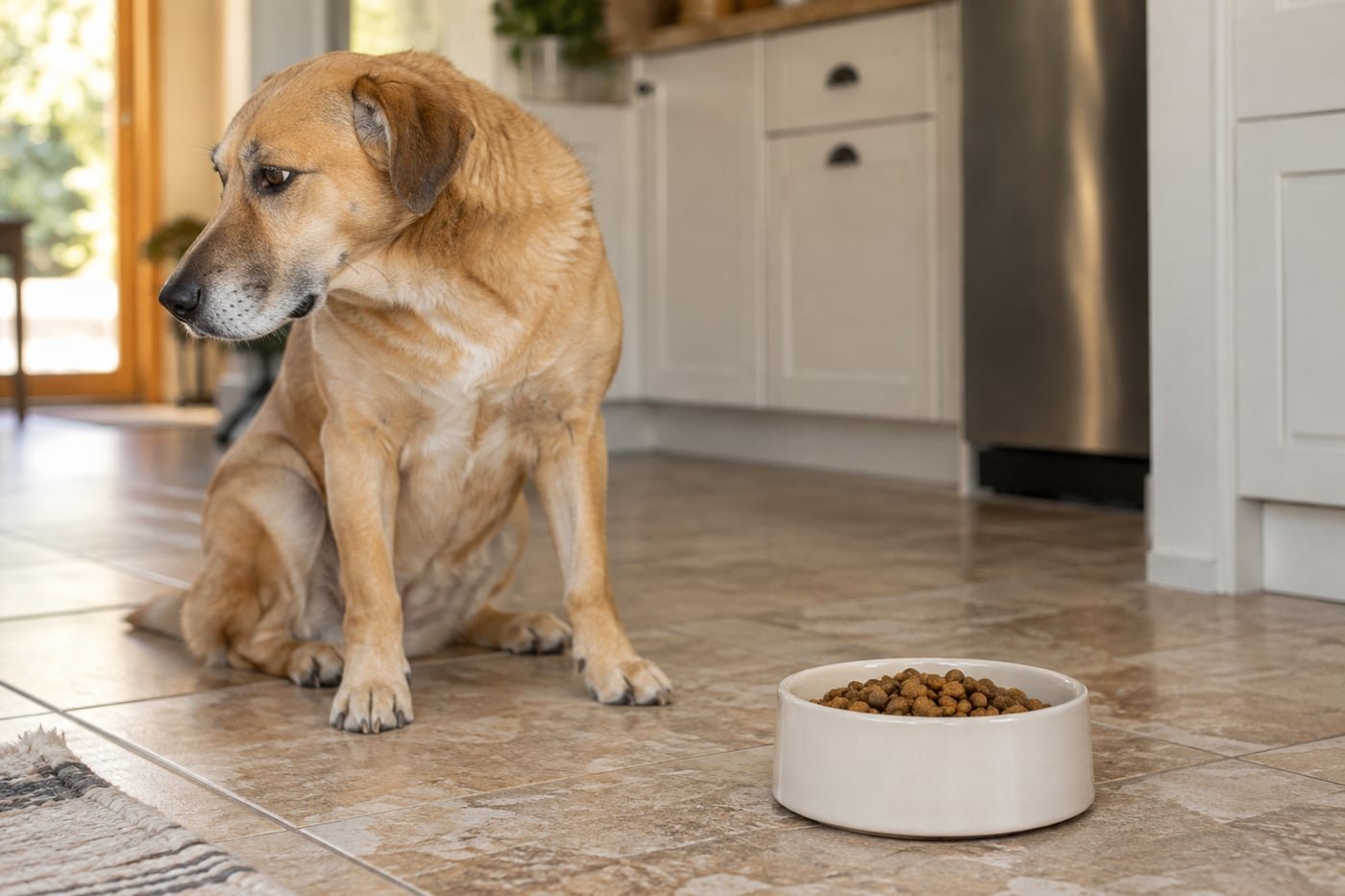
Wellness examinations cover more than visible symptoms. Your vet can assess body condition, the mouth, heart and lungs, movement and preventive-care needs. The examination schedule and any screening tests should reflect your dog’s age, medical history and lifestyle. Bring your notes and medication list so the visit addresses changes that may not be visible in the clinic. [2]
Questions about normal dog health
Does a wet nose mean my dog is healthy?
No. Nose moisture alone cannot tell you whether your dog is well. Appetite, behavior and physical changes offer more useful context, and a veterinary examination is needed when you are concerned.
Is sleeping more always a problem?
Consider what is normal for your dog and whether the change persists. Record when it started and whether your dog is also avoiding walks, eating differently or struggling to get comfortable. Discuss a new pattern with your vet instead of dismissing it as age.
When a change needs attention
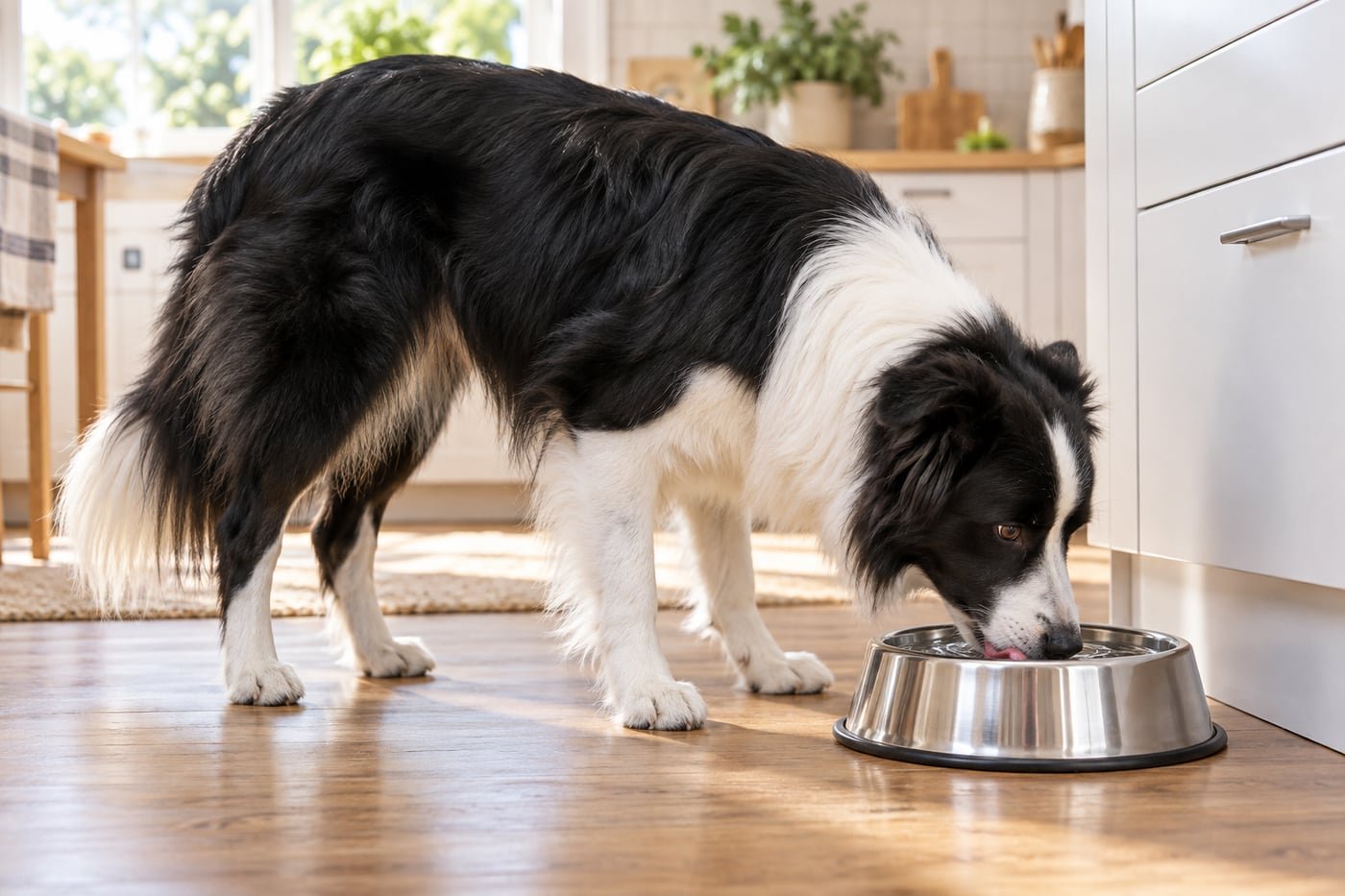
Arrange veterinary advice for an unexplained change in habits. Difficulty breathing, collapse or marked weakness calls for urgent help. A useful health routine should make it easier to act on changes, not become a reason to wait for more symptoms. [3]
Related Dog Health guides
Sources
- AKC: Keeping your dog healthy
- VCA: Wellness examinations
- Merck Veterinary Manual: Routine dog health care
Content updated September 9, 2026. Educational information, not a diagnosis or a substitute for veterinary care.





Leave a Reply